

Winter can turn a simple drive into a nightmare. Dead batteries, poor traction, and reduced visibility are just the beginning. If your vehicle is unprepared, you’re looking at inconvenient breakdowns that can cost you time and money, not to mention the danger it poses on the road.
I’ve spent years working on vehicles across all types of conditions. I know the difference proper preparation can make. You should trust my advice because it’s backed by real experience in automotive maintenance and safety.
This article will guide you through important winterizing vehicle advice. I’ll cover everything you need to know to keep your vehicle reliable and safe during the winter months.
There’s no reason to risk your safety or the performance of your vehicle. Let’s get started on making sure you’re ready for whatever winter throws your way.
Battery Health: The Heartbeat of Your Winter Vehicle
Winter is tough on car batteries. Cold weather drains the life out of them. Why?
Batteries hate the cold. It thickens the battery’s fluids. This makes it harder for the battery to start your car.
Ever notice slow cranking or dimming lights? That’s a red flag.
First, check your battery terminals. Are they corroded? If so, clean them.
Use a mixture of baking soda and water. Scrub gently. You’re doing this to keep the connections strong.
Weak connections mean trouble.
Next, test the battery’s voltage and cold-cranking amps (CCA). Use a multimeter or load tester. Healthy voltage?
Around 12.6 volts. CCA varies, but if it’s under spec, you’re in trouble.
Pro tip: use a battery tender if you’re storing your vehicle long-term. It maintains the charge without overloading it. Consider insulating the battery during extreme cold, too.
When should you get professional help? If the car struggles to start daily, it’s time. Batteries have a lifespan.
Don’t push it.
For more practical advice, check out our maximizing fuel efficiency takeaways. It’s a smart move, especially when winterizing your vehicle. Keep your car’s heart (the battery) strong.
Don’t ignore it.
Tires and Traction: Your Winter Safety Foundation
Think tires don’t matter? Think again. They’re your only contact with the road.
Especially important in winter when things get slippery fast. Let’s face it, you don’t want to find yourself sliding into the New Year because your tires weren’t up to snuff.
Check your tire tread depth. Grab a penny (you know, the one you swore you’d get rid of) and stick Lincoln’s head into the groove. If you can see all his head, it’s time to shop for new rubber.
Recommended tread depth for winter is more than 4/32 of an inch. Trust me, you can’t skimp here.
Cold weather messes with tire pressure. Air contracts, lowering the pressure. So, check it often.
Adjust as needed to avoid poor handling or increased wear.
All-season tires? They’re decent, but dedicated winter tires? A whole different league.
They excel in snow and ice, giving you better grip and stopping power.
Inspect for uneven wear, cracks, or bulges. Rotate them regularly. It’s not just about longevity; it’s about your safety.
This is your go-to winterizing vehicle advice. Do it right, and thank me later.
Fluids and Filters: Cold Weather Wisdom
Winter is brutal on cars. I know from experience that checking your antifreeze is non-negotiable. You don’t want to be stranded because you ignored it.
Use a hydrometer to check the level and concentration. It’s simple and saves a lot of headaches.
Windshield wiper fluid is your next mission. Trust me, you want the winter-blend. Regular fluid turns into ice faster than you’d think.
The winter stuff? It just works. It’s freeze-resistant and helps with de-icing.
Oil’s another biggie. I always switch to a lower viscosity oil in winter. Why?
Because starting your engine in the cold is already hard enough. Thinner oil makes it a tad easier.
Filters matter too. Cabin and engine air filters need to be clean. They keep your engine running efficiently and your cabin air breathable.
Brake fluid and power steering fluid often get overlooked. Don’t make that mistake. Make sure they’re at the right levels and uncontaminated.
Need more winterizing vehicle advice? You’re not alone. Prepping your car isn’t just smart.
It’s important. Stay proactive. Your vehicle and your sanity will thank you.
Visibility and Lighting: See Clearly, Be Seen Safely
Winter’s here, and with it, the need for clear vision on the road. First, let’s talk about those windshield wiper blades. Check them for cracks, tears, or any streaking.
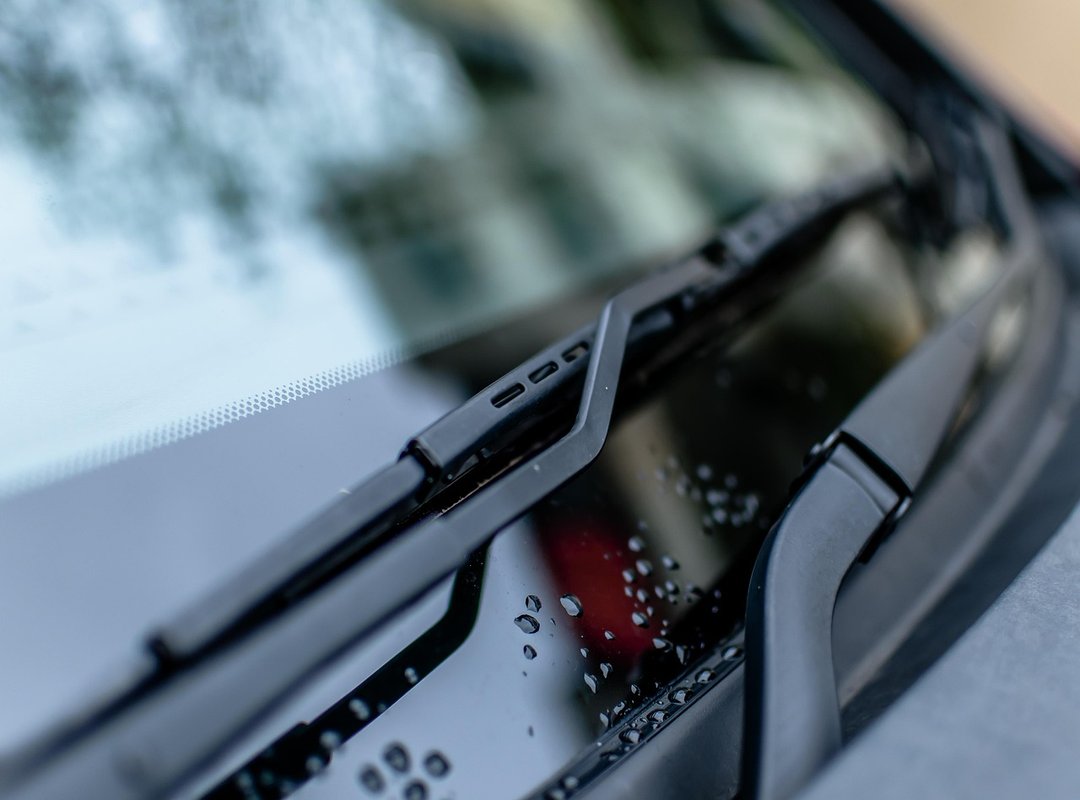
A good rule? If they’re not wiping clean, it’s time to replace them. You don’t want them failing in the middle of a snowstorm, do you?
Next, defrosters and defoggers. These systems should be fully functional for rapid windshield clearing. If they’re not working, fix them before the frost sets in.
It’s not just about comfort; it’s about safety.
Now, exterior lights. Are your headlights, taillights, brake lights, turn signals, and fog lights shining bright? If not, they need attention.
And those hazy headlight lenses? A quick clean can restore clarity and improve light output a lot.
Don’t forget to carry a sturdy ice scraper and snow brush. Regularly clear snow and ice from all windows, mirrors, lights, and sensors. It’s basic but important winterizing vehicle advice.
Finally, if you’re looking for more tips on handling winter and beyond, check out this Racing Legends Tips Pros page. Because knowing the road is just as important as seeing it.
Winter Emergency Ready: A Must for Your Car
Let’s get real: winter can throw unexpected challenges at you when you’re on the road. You need to be ready. I always keep jumper cables in my car because you never know when your battery might give up.
A flashlight with extra batteries is another must-have. When it comes to emergencies, light is your friend.
Don’t skip on the warmth essentials. Blankets and warm clothing can make all the difference if you get stuck. I’ve also got a small shovel and a bag of sand or cat litter for traction.
These can literally get you out of a ditch.
It sounds basic, but you’d be surprised how many people overlook it.
Your cell phone is your lifeline. Keep it charged and carry a portable charger. And don’t forget your emergency contact info.
Basic tools like a wrench, pliers, and a screwdriver can solve many problems. And never hit the road without a reflective triangle or flares for visibility.
Finally, have a plan for roadside assistance. Tell someone your route, especially in remote areas. This isn’t just good sense; it’s lifesaving.
Winterizing vehicle advice isn’t just about your car; it’s about your survival. Stay safe out there.
Drive with Confidence This Winter
You’ve tackled every detail of winter vehicle readiness. That’s how you keep anxiety and danger from unexpected failures at bay. Proactive maintenance makes your vehicle a reliable companion this season.
Now, it’s time to act. Schedule your winter vehicle check today. Gather your emergency supplies.
Don’t let the cold catch you off-guard.
Trust me, taking these steps will give you the confidence you need on the road. You deserve peace of mind while driving this winter.
So, get started now and make sure you’re ready with winterizing vehicle advice that really works.
 Grythara Cloud is the founder of FMB Motor Racing, a platform created for passionate auto and moto enthusiasts seeking informative coverage on racing culture, vehicle performance, and modern motorsport trends. With a deep appreciation for speed, engineering, and automotive innovation, Grythara built the platform to connect readers with practical insights and exciting developments from the racing world.