
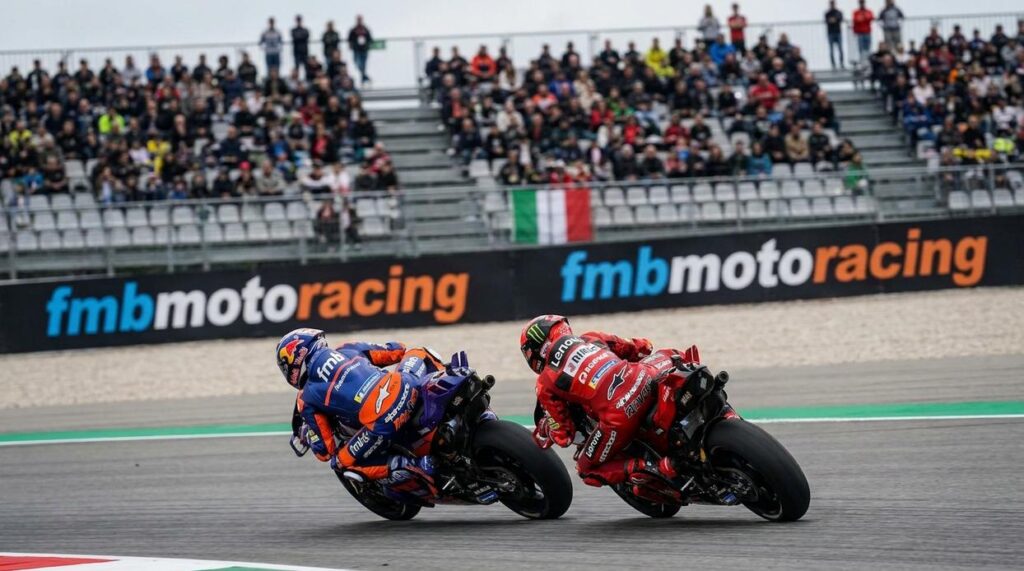
I’ve been following MotoGP long enough to know that the real story isn’t what happens in the final lap.
It’s what builds up to it.
You watch these riders battle at 200 mph and think it’s just about who’s faster. But MotoGP rivalries run deeper than that. There’s psychology at play. Technical warfare. Personal grudges that span years.
Most fans see the overtake or the crash. They miss the chess match that’s been unfolding for months.
I’m breaking down what actually makes these rivalries tick. From the legendary feuds that shaped the sport to the battles happening right now on the grid.
FMB Motor Racing exists because we know you want more than surface-level race recaps. You want to understand why Rossi and Lorenzo couldn’t stand each other. What makes Marquez so dangerous to race against. Why some rivalries burn hot for a season while others define entire careers.
This isn’t just a list of famous crashes and heated words. We’re looking at the tactical decisions, the mind games, and the moments that turned competitors into enemies.
You’ll see these races differently once you understand what’s really at stake.
The Anatomy of a Rivalry: What Forges a MotoGP Legend?
You can win a championship and be forgotten in five years.
But a real rivalry? That lives forever.
I’m talking about Rossi vs Lorenzo. Marquez vs Dovizioso. The kind of battles that make you cancel plans on Sunday morning because you have to see what happens next.
Here’s what most people get wrong about MotoGP rivalries fmbmotoracing. They think it’s just about who crosses the line first. Two fast riders trading wins back and forth.
That’s not a rivalry. That’s just competition.
A true rivalry is something else entirely. It’s when you’ve got an aggressive rider who thrives on chaos going up against a calculated technician who plans every move three corners ahead. It’s watching their completely different philosophies collide at 200 mph.
The Mental Game
The real fight starts before anyone even gets on the bike.
Watch a press conference when rivals are sitting two seats apart. The subtle digs. The refusal to make eye contact (or the opposite, staring each other down like it’s a poker table). One rider says something that sounds innocent to everyone else, but his rival knows exactly what it means.
On track? That’s where the intimidation gets physical. Late braking into turn one. Holding your line when you probably shouldn’t. Making the other guy think twice about trying that move again.
The Tech Battle
Here’s where it gets interesting for teams.
When you’ve got two riders pushing each other this hard, their crews have no choice. They work weekends. They test parts that sound crazy. They’re looking for that extra tenth of a second because they know the other garage is doing the same thing.
Compare this to a season where one rider dominates. The development slows down. Why spend the money when you’re already winning?
But a real rivalry? That forces everyone to get better. The manufacturers pour resources into both sides because neither can afford to lose.
When the World Watches
The media loves a good fight. They’ll take a minor incident and turn it into a three-day news cycle. Fans pick sides and defend their rider like it’s personal.
And honestly? That’s what makes it matter. A rivalry between two respectful professionals who shake hands and smile doesn’t capture anyone’s imagination.
You need the tension. The drama. The moments that make you text your friend at midnight because you just watched the race replay for the third time.
That’s what separates good racing from legendary racing. Not the lap times. The story behind them.
Similar to how offroad racing fmbmotoracing creates its own intense competitions, MotoGP rivalries become the backbone of the sport’s history.
The Golden Era: Valentino Rossi vs. The World
Valentino Rossi didn’t just race motorcycles.
He collected enemies like trophies.
And honestly? That’s what made him great.
Some fans will tell you Rossi was just a talented rider who got caught up in drama. That the rivalries were distractions from his pure racing ability. That he should’ve stayed above it all and let his results speak for themselves.
But that’s missing the entire point.
Rossi vs. Biaggi: The Italian Civil War
Max Biaggi represented everything the old guard thought racing should be. Serious. Professional. No nonsense.
Then Rossi showed up wearing bright yellow and making jokes at press conferences.
The Italian media went insane. They wanted their heroes to hate each other, and these two didn’t disappoint. Every race became a national referendum on what Italian racing should look like.
I’ve watched the footage a hundred times. The way they’d run each other wide, the post-race glares, the barely concealed contempt in every interview. This wasn’t just competition. This was personal.
Biaggi was faster than people remember. But Rossi had something else. He knew how to get in your head and stay there.
Rossi vs. Gibernau: The Spanish Challenger
Qatar 2004 still makes my blood boil.
Gibernau thought he had it. He was leading, Rossi was behind, and then that pass happened. The one where Rossi’s front tire touched Gibernau’s bike and somehow Valentino stayed upright while Sete nearly crashed.
Was it clean? Depends who you ask.
Jerez 2005 was payback. Rossi went inside at the final corner, ran Gibernau wide, and took the win. The look on Sete’s face said everything. You could see something break in him that day.
People say Rossi went too far. That he destroyed Gibernau’s confidence and career over a grudge.
Maybe he did. But this is racing, not therapy.
Rossi vs. Stoner: The Alien Encounter
Casey Stoner was different from everyone else.
He didn’t play mind games. Didn’t care about the show. Just rode that Ducati like it owed him money.
Laguna Seca 2008 is the greatest race I’ve ever seen. Rossi passed Stoner at the Corkscrew by going completely off track (which somehow was legal), and Stoner spent the rest of the race trying to get him back.
The contrast was perfect. Rossi with his calculated aggression and theatrical style. Stoner with raw speed that looked barely controlled.
Stoner later said Rossi’s tactics were dirty. And you know what? He had a point. But that’s also why we remember it.
Rossi vs. Lorenzo: The Teammate War
Jorge Lorenzo joining Yamaha in 2008 should’ve been simple.
It wasn’t.
These two couldn’t stand each other. Same garage, same bikes, completely different worlds. The team literally put up a wall between their sides of the pit box. Not a metaphorical wall. An actual physical barrier.
Lorenzo was faster than Rossi wanted to admit. Young, hungry, and didn’t care about Valentino’s legacy or reputation. He wanted to beat the legend, and he did it multiple times.
I respect that Lorenzo never backed down. He could’ve played the respectful teammate role and waited his turn. Instead, he went to war.
The motogp rivalries fmbmotoracing coverage from those years shows just how tense it got. Press conferences where they wouldn’t look at each other. Races where they’d rather crash than let the other win.
That’s what made Rossi’s era golden. He didn’t just beat people. He made them hate him, fear him, or both.
And we loved every second of it.
The Modern Battlefield: Marquez, Bagnaia, and the New Generation
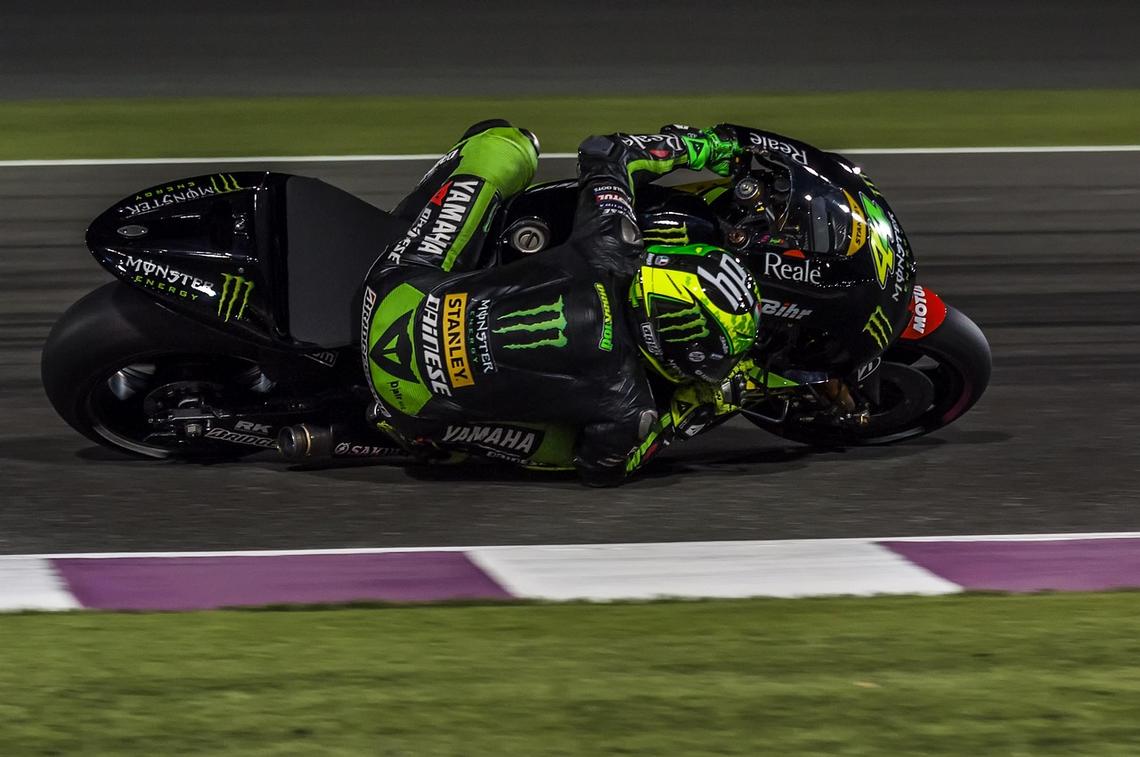
The thing about modern MotoGP?
The rivalries hit different now.
I’m not saying the old battles weren’t intense. Rossi and Lorenzo gave us some incredible moments. But what we’re seeing today feels more personal and more complicated.
The Marquez Effect
Marc Marquez didn’t just race against people. He went through them.
His style was simple. Find the limit, then push past it. If you were in his way, that was your problem to solve.
Look at what happened with Rossi at Sepang in 2015. Or the constant tension with Lorenzo when they were teammates. Even Dovizioso, who kept his cool better than most, got fed up with Marc’s aggressive passes.
Some fans say Marquez was just doing what champions do. That he raced hard but fair. And yeah, he won six premier class titles doing it his way.
But here’s my take. Marquez created enemies because he had to. His riding style left no room for friendship on track. You either got out of the way or you both ended up in the gravel.
That’s not a criticism. It’s just reality.
Bagnaia vs. Bastianini: The Ducati Dilemma
Now we’ve got a different problem.
Pecco Bagnaia and Enea Bastianini ride for the same team. They share data, engineers, and garage space. Then they go out and try to beat each other.
I’ve watched this play out, and it’s messy. Team orders only work when both riders agree to follow them. The moment one guy thinks he’s got a shot at the title, all that friendly teammate stuff goes out the window.
Ducati wants both riders to succeed. But championships don’t get shared.
Bastianini knows he’s fast enough to win. Bagnaia knows the factory backs him first. That tension? It’s not going anywhere.
Quartararo vs. The V4s: Man vs. Machine
Then there’s Fabio Quartararo.
He’s not fighting another rider. He’s fighting physics.
Yamaha gave him a bike that turns beautifully but can’t match the Ducati’s straight-line speed. So every race becomes the same battle. Fabio makes up time in corners and loses it on the straights.
I respect what he’s doing because it’s basically impossible. You can’t will your bike to go faster when eight Ducatis have a 10 km/h advantage down every straight.
Some people say he should’ve moved to Ducati when he had the chance. Maybe they’re right. But watching him fight this fight says something about who he is as a rider.
The Next Generation
And just when you think you understand the current rivalries, here come Jorge Martin, Marco Bezzecchi, and Pedro Acosta.
Martin’s already shown he’ll race anyone hard. Bezzecchi’s got the talent but needs the consistency. Acosta’s still learning but he’s not scared of anyone.
The motogp rivalries fmbmotoracing covers now will look completely different in two years. That’s how fast things move.
New riders bring new tension. Old scores get settled. The grid never stays peaceful for long.
That’s what makes it worth watching.
How Rivalries Fuel the Sport: An FMB Moto Racing Analysis
You can watch a race for the speed.
Or you can watch it for the story.
Here’s what I’ve noticed. The races people remember aren’t always the fastest ones. They’re the ones where two riders wanted to beat each other more than they wanted to breathe.
Think about it this way. A solo rider dominating every race gets boring fast. But two riders trading wins and pushing each other to the limit? That’s when casual fans start paying attention.
Some say the sport should be purely about lap times and technical skill. That personal drama distracts from the racing itself. And sure, the bikes and the talent matter.
But compare a season with no clear rivalry to one where two champions are going head to head. The viewership numbers tell you everything. Media coverage explodes. Sponsors show up. New fans stick around because they’re invested in who wins.
That’s the difference between watching a sport and caring about it.
Now look at how motorbike racing started fmbmotoracing and you’ll see something interesting. Every era gets defined by its central battle. We don’t just remember the Rossi years for his skill. We remember Rossi versus Biaggi. Rossi versus Lorenzo. Rossi versus Marquez.
The Marquez era? Same thing. It’s not just about his championships. It’s about who he had to beat to get them.
Here’s the truth about legacy. A rider’s greatness gets measured by the quality of their rivals. Winning against weak competition doesn’t build legends. Beating the best of your generation does.
That’s what makes motogp rivalries fmbmotoracing so compelling. The sport needs them to survive.
The Unforgettable Drama of Two-Wheeled Combat
We’ve covered the personal wars, the psychological games, and the technical battles that make MotoGP rivalries what they are.
These clashes are the lifeblood of the sport. They turn simple races into legendary stories of ambition and conflict.
When you understand these dynamics, every Grand Prix becomes more than just a race. It’s the next chapter in an ongoing saga.
You came here to understand what makes these rivalries so compelling. Now you see the layers beneath the surface.
Next time the lights go out, watch for the subtle battles within the race. That’s where the real story unfolds.
The rider who brakes a fraction later into turn one. The defensive line that forces a rival wide. The calculated risk that pays off three laps later.
Those moments matter because they’re part of something bigger.
Head over to fmbmotoracing and dive deeper into the rivalries shaping this season. We break down every move, every mind game, and every moment that matters.
The drama never stops. Neither should you.
 Grythara Cloud is the founder of FMB Motor Racing, a platform created for passionate auto and moto enthusiasts seeking informative coverage on racing culture, vehicle performance, and modern motorsport trends. With a deep appreciation for speed, engineering, and automotive innovation, Grythara built the platform to connect readers with practical insights and exciting developments from the racing world.