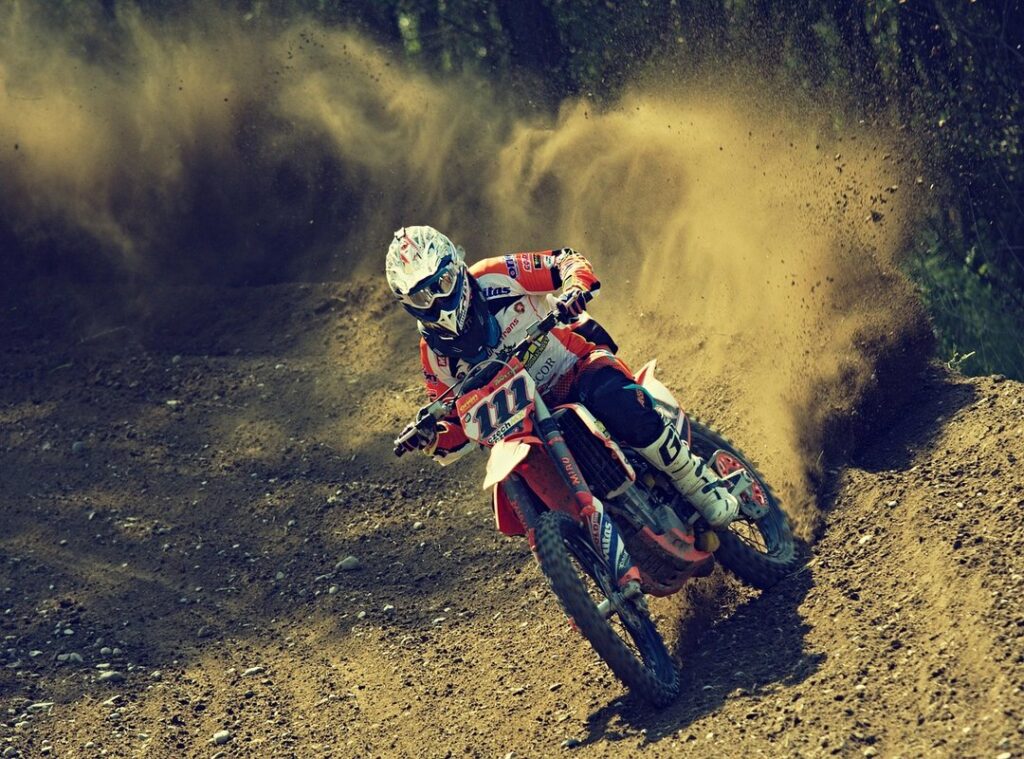
I’ve picked the wrong motocross bike before.
It sucked.
You’re staring at a wall of bikes online or in the showroom. Big engines. Small frames.
Dirt bikes that look like they belong on a track. And others that look like they’d eat rocks for breakfast.
How do you pick one?
Especially when your skill level, your local trails, and even your height all matter?
Yeah. It’s messy.
This isn’t about specs alone.
It’s about matching you (your) experience, your terrain, your goals (to) the right machine.
Beginner? You don’t want a 450 screaming out of the gate. Trail rider?
A full-on race bike will feel twitchy and loud. Mud, sand, tight woods, open desert. They all ask different things from Motocross Bikes Fmboffroad.
I’ll cut through the noise. No fluff. No jargon.
Just clear factors: engine size, suspension, weight, seat height, and what each actually means on the ground.
You’ll walk away knowing exactly what to test-ride.
And why.
No guesswork.
No buyer’s remorse.
Just a bike that fits.
2-Stroke vs. 4-Stroke: What Actually Matters
I’ve crashed both. I’ve fixed both. I know what each one does.
And doesn’t. Do.
You want the real difference? A 2-stroke fires every time the piston goes up and down. A 4-stroke fires only every other downstroke.
That’s it. No jargon. Just physics.
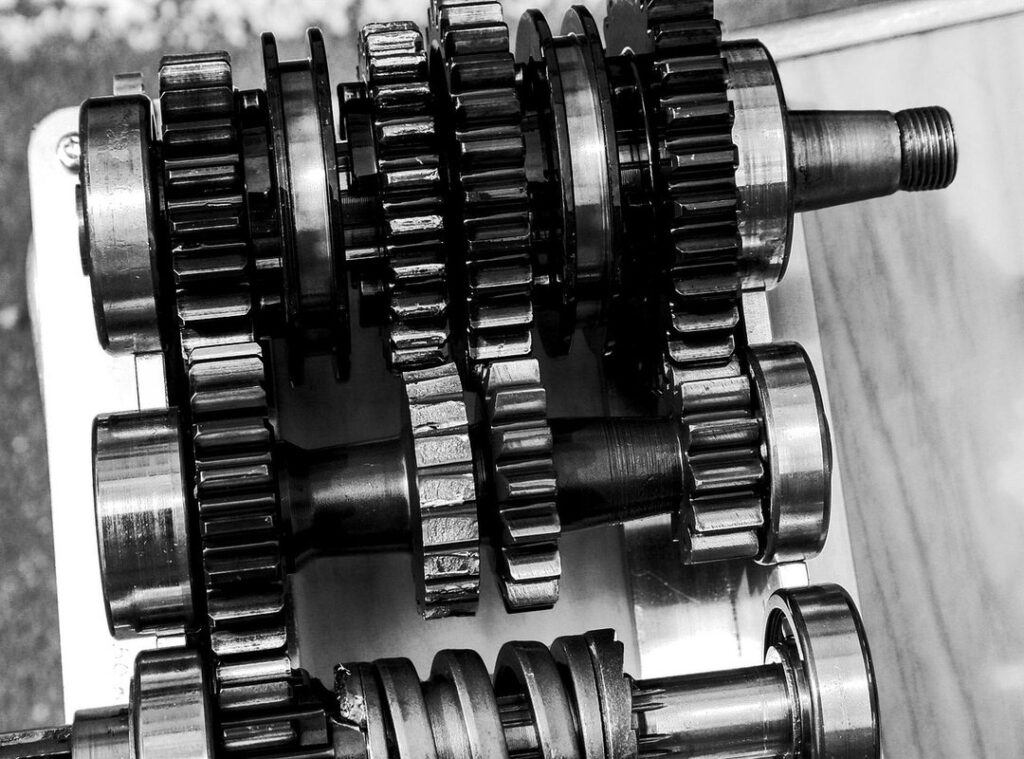
2-strokes weigh less. They’re simpler (fewer) moving parts, no valves, no cam chain. Power hits fast and sharp.
You feel it in your wrists. (Which is why pros still choose them for tight, technical tracks.)
4-strokes weigh more. They deliver power smoothly. More low-end torque means you don’t stall mid-corner trying to hook a gear.
Beginners ride them longer before burning out.
Maintenance? 2-strokes need top-end rebuilds every 10. 15 hours. 4-strokes go 30+ hours between valve checks. Cost per hour? 2-strokes win on parts (but) lose on labor if you’re not doing it yourself.
Riding feel? 2-strokes demand rhythm. 4-strokes forgive hesitation.
Beginner? Grab a 4-stroke. Aggressive rider chasing raw response?
Try a 2-stroke. Or better yet (ride) both at Motocross Bikes Fmboffroad.
No magic. Just trade-offs. Pick your poison.
Bike Size Isn’t Just About Height
I watched a kid try to ride a 250cc bike last summer. He couldn’t touch the ground. His arms shook holding it up.
He dropped it three times before lunch.
That’s not confidence-building. That’s fear-training.
Seat height matters more than you think. If you can’t plant both feet flat, you’re balancing on hope and adrenaline. Not control.
Weight matters too. A 45-pound bike feels light until you’re tired and it’s tipping sideways in the dirt.
Here’s what I’ve seen work:
– 50cc for kids under 12 (light, low seat, gentle power)
– 85cc for strong juniors who’ve ridden before
– 125cc for most teens starting serious riding
– 250cc or 450cc only after solid time on smaller bikes
You don’t grow into a big bike. You grow out of needing a small one.
Start too big and you learn bad habits (like) dragging brakes or leaning away from turns.
Can you stand over the bike with both feet flat? Can you stop, start, and turn without fighting it? If not, it’s too big.
Motocross Bikes Fmboffroad aren’t one-size-fits-all. They’re tools. Pick the right tool.
Your legs should do the work (not) your panic reflexes.
What You’ll Actually Ride On
I pick bikes based on where I’m riding. Not what looks cool in a magazine. Track racing?
You want stiff suspension and instant throttle response. That power has to hit hard and fast. (No time for lazy midrange.)
Trail riding is different. You need a wide powerband so you don’t stall on steep climbs. Electric start matters when you’re tired at mile ten.
A headlight helps when you forget how late it gets.
Desert riding eats tires. Sand needs paddle tires. Mud needs deep, widely spaced knobs.
Hard-packed dirt? A medium tread works fine.
Backyard fun? Soft suspension saves your wrists. You don’t need race-spec parts just to ride in circles.
Ask yourself: What’s the first thing I’ll do with this bike?
Not “what might I do someday.”
What’s real. What’s now.
Suspension isn’t one-size-fits-all. It’s tuned for terrain (and) your weight (and) how hard you ride. Tires aren’t just rubber.
They’re your only contact with the ground.
If you’re still unsure, check the Dirt Bike Guide Fmboffroad. It breaks down real-world tradeoffs. Motocross Bikes Fmboffroad aren’t built for everything.
They’re built for something. Pick that something first.
Suspension, Brakes, and Fit Matter Most
I’ve crashed because my suspension was too stiff.
You will too if yours can’t soak up a whoop or hold traction in a rut.
Air forks adjust with a pump. Spring forks need a wrench and patience. I prefer air forks (faster) tuning between tracks.
But only if they’re dialed right. (Most stock ones aren’t.)
Brakes? Discs are non-negotiable. If it’s not hydraulic, walk away.
You need bite now, not after two pumps.
Ergonomics aren’t optional. My knees hit the tank on one bike. My wrists screamed on another.
Handlebar height, footpeg position, and seat shape change how long you last (and) whether you stay upright.
Electric start saves your leg and your mood. Fuel injection beats carburetors in cold starts and altitude changes. Aftermarket parts matter only if the frame and mounting points support them.
(Spoiler: many budget bikes don’t.)
Suspension that works. Brakes that stop. A cockpit that fits you.
That’s what separates sore days from solid laps.
Want proof dirt bikes actually move? Check out Are Dirt Bikes Fast Fmboffroad (no) fluff, just speed.
Your Turn to Ride
I know how confusing Motocross Bikes Fmboffroad can feel. Too many options. Too much jargon.
Too much pressure to pick the one.
You don’t need more specs. You need clarity. And you just got it (engine) types, sizing, riding style, real features that matter.
None of it works unless you start with you. Your skill level. Your body size.
Where you’ll actually ride.
That’s the filter.
Everything else is noise.
Go sit on a bike. Not online. Not in your head.
In person. Walk into a local dealer. Ask to straddle three different models.
Feel the seat height. Grip the bars. Notice what feels natural (not) what looks cool in a photo.
And yes (you) must buy safety gear first. No exceptions. No shortcuts.
Your confidence isn’t built from specs. It’s built from time on dirt. From muscle memory.
From knowing your bike fits you.
So stop scrolling. Start riding. Hit that dealer this week.
 Sylrith Marrowlance is a contributor at FMB Motor Racing who specializes in racing highlights, performance vehicles, and automotive technology trends. Passionate about motorsport culture and engineering advancements, he creates engaging articles that keep readers informed about the latest developments in the racing world.