Self-driving vehicles spark curiosity but also a lot of confusion. Media hype often overshadows real progress. You might wonder, what can these cars really do?
Many folks aren’t sure about the true capabilities and limitations of autonomous technology. It’s understandable. The future timeline for fully autonomous cars feels like a guessing game.
I aim to cut through the noise and give you clarity. This article will provide a straightforward overview of autonomous cars status today.
With years of experience tracking automotive trends, I bring an unbiased perspective. My goal is to equip you with facts and takeaways. You can trust this content because it’s grounded in real-world developments.
By the end, you’ll have a better grasp on where self-driving technology stands. Let’s dive in and separate the hype from reality. You deserve accurate information in this rapidly changing field.
Cracking the Code: SAE Levels of Autonomous Driving
Ever wondered what all the fuss is about with autonomous cars status? It’s all about the SAE J3016 levels. These levels are like the secret decoder ring for understanding where self-driving tech stands today.
Let’s start at the ground floor, Level 0. No automation here. You’re doing all the work.
Every turn, every stop, every decision. It’s you, the driver, in control with zero system intervention. Sound exhausting?
It is.
Then we have Level 1, where you get a little help. Think adaptive cruise control or lane-keeping assist. These features lend a hand but don’t get too comfy.
You still need to be fully in charge.
Level 2 steps it up with partial automation. This is where things get interesting. Your car can manage adaptive cruise and lane centering at the same time, but you’re still the boss.
Level 3 is where the vehicle can handle some changing tasks, but only under certain conditions. Traffic jam pilot, anyone? Just be ready to take over when it asks.
Stay alert. You’re the backup plan.
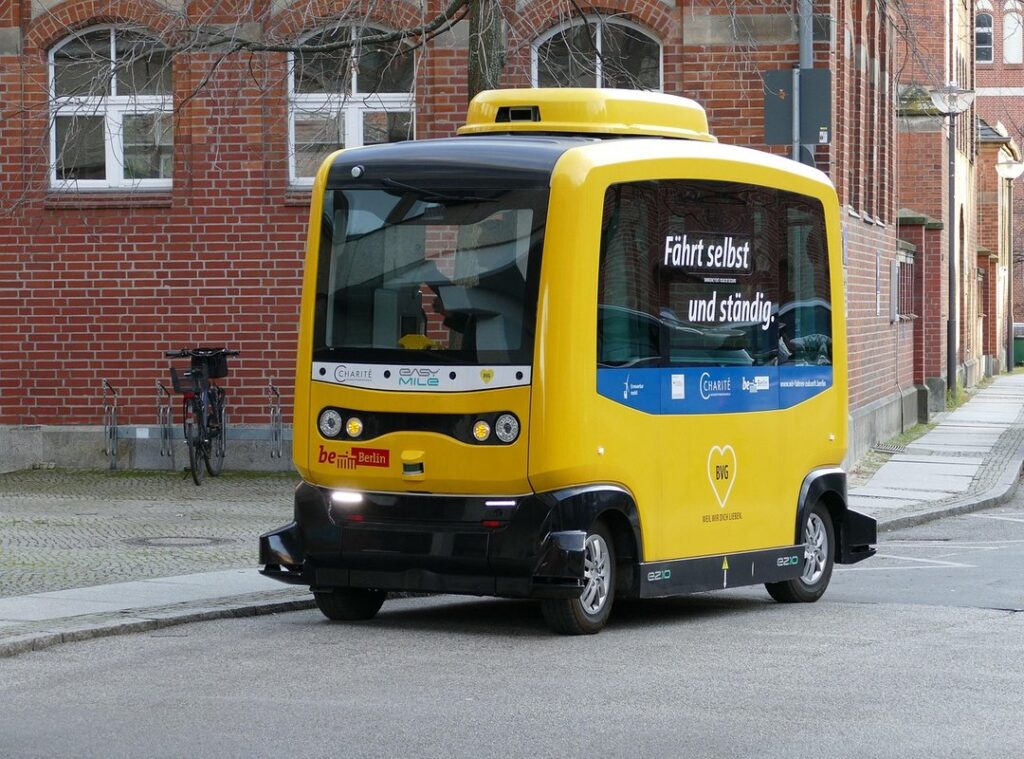
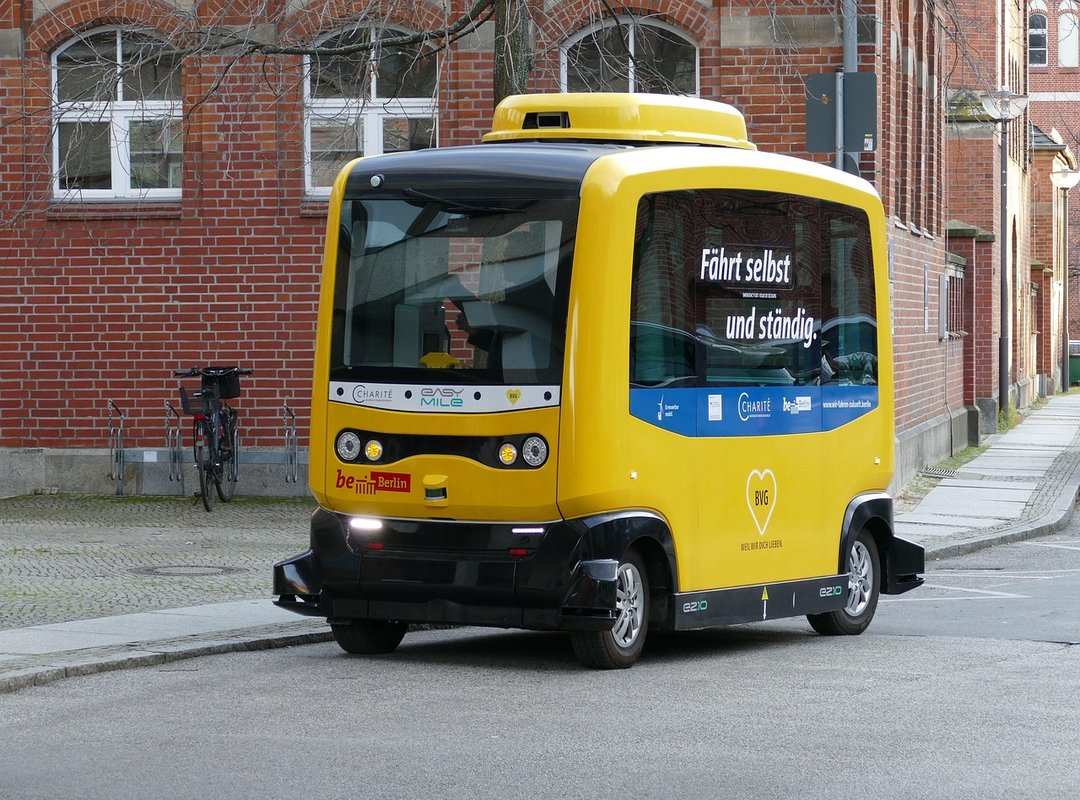
Level 4 is high automation. Here, vehicles can handle all driving tasks in specific areas without your input. Imagine a robotaxi in a geofenced area.
The car’s got this.
Finally, Level 5 is the dream. Full automation. No human needed.
The car drives like a human, in any condition. We’re not there yet, but it’s the ultimate goal.
Are you ready for the ride?
Where We Stand: Self-Driving Cars and Their Limits
Self-driving cars. They’re everywhere in the news, but what’s the real autonomous cars status? Right now, most cars with so-called self-driving features are actually Level 2 or 2+ Advanced Driver-Assistance Systems (ADAS).
Think Tesla’s Autopilot, GM’s Super Cruise, or Ford’s BlueCruise. They sound impressive, but let’s not kid ourselves. These are driver-assist features, not replacements for human oversight.
You still have to pay attention. No napping at the wheel.
What about Level 3 systems? They’re like unicorns. Supposedly real, but good luck finding one in the wild.
The few that exist operate under strict conditions and come with a ton of legal baggage. It’s a mess.
Then there’s Level 4. This is where things get interesting. Companies like Waymo and Cruise are testing robotaxi services in geofenced urban areas.
Sure, it’s exciting, but it’s also limited. They’re not ready for your driveway yet.
The gap between Level 2/3 and Level 4/5 is huge. It’s like comparing a tricycle to a spaceship. We’re talking major technological hurdles (think) complex intersections, bad weather, and unmarked roads.
These systems really struggle in real-world scenarios.
And what about Level 5? Don’t hold your breath. We’re nowhere near that level of autonomy.
But the electric vehicles market leaders are watching closely. They’re keen to take advantage of on any breakthroughs.
Pro tip: Always stay informed. The hype is real, but the reality is still catching up. Keep questioning, keep learning.
That’s how we move forward.
Autonomous Driving Hurdles: Challenges to Tackle
Autonomous cars are impressive but also face a heap of challenges. The autonomous cars status isn’t just about cruising down a sunny freeway. Imagine driving in fog or rain.
Perception is tricky. Sensors like cameras, lidar, and radar must interpret the world in conditions like heavy rain or direct sunlight. And honestly, sometimes they struggle.
Then there’s the “edge case” problem. You know those bizarre, once-in-a-lifetime situations? These vehicles must deal with those, never mind the fact that such scenarios are cumbersome to program for.
Autonomous systems need to be prepared for anything, like a stray deer on the highway or a sudden downpour of hail.
Next, sensor fusion is key. Different sensors must work together as one smooth unit. Malfunctions can’t be an option.
Systems should have fail-safes in case any sensor decides to take a nap.
Let’s talk about processing power. It takes massive computational resources to process real-time data and predict what humans might do next. It’s like trying to play a complicated chess game while you’re solving a Rubik’s Cube.
Mapping is another monster. Keeping maps accurate and updated is a nightmare. Cities change.
Roads get built. Can these systems keep up?
Finally, there’s human interaction. How do these cars communicate with pedestrians, cyclists, and other drivers? How will they signal intentions?
Sounds like we’re trying to teach a new language.
But for all these challenges, the autonomous vehicles technology future is promising. Despite the roadblocks, the journey is worth it.
Beyond Tech: Navigating the Wild Ride of Regulation
Let’s talk about the autonomous cars status. It’s a mess. Regulations are all over the map, literally.
Federal, state, international (they) each have their own rules, making it confusing as hell to figure out what’s what. Who’s in charge when these vehicles get into crashes? Is it the manufacturer, the software provider, or the so-called ‘driver’?
The debate is ongoing, and frankly, it’s a headache.
And then there’s the safety standards. Who decides if a system’s safe enough? Agencies like the NHTSA (U.S.) and UNECE (global) are in the driver’s seat, shaping the future of AVs.
But even they can’t agree on everything. Public perception is another beast entirely. Surveys show people are nervous (and) who can blame them?
The thought of a car without a human at the wheel is a bit unsettling.
Remember the high-profile accidents involving test vehicles? Those incidents are like a punch to public confidence, slowing adoption down to a crawl. It’s not just about getting the tech right; it’s about earning trust.
Add economic concerns like job displacement for drivers and the need for new infrastructure, and you’ve got a cocktail of issues.
But hey, amidst all this, there are car innovations changing game. It’s fascinating to watch, even if it’s a rollercoaster. Pro tip: Keep an eye on how these regulations evolve.
They could shake things up in ways we can’t yet imagine.
Stay Informed on the Road Ahead
The autonomous cars status is changing fast. I see progress in certain areas but also major hurdles ahead. You want clear, accurate information amidst the noise and confusion.
That’s why understanding SAE levels and current capabilities is so important. It’s not just about technology; it’s about knowing what to expect.
Stay engaged with reliable sources. Follow the latest updates and expert takeaways to get through this journey effectively. Don’t get lost in the hype.
Keep yourself informed and prepared. Dive deeper into the world of autonomous vehicles. Your understanding will help you.
 Lirona Vaxhaven contributes informative content to FMB Motor Racing with a focus on motorcycle mechanics, maintenance advice, and rider-focused vehicle care. Dedicated to making technical topics easier to understand, she creates accessible guides that help enthusiasts improve their knowledge of bike performance and long-term maintenance.