My motorbike felt wrong.
Not broken (just) off.
You know that feeling. Throttle response is lazy. Fuel burns faster than it should.
It doesn’t pull like it used to.
I’ve seen it a hundred times.
Riders blaming the bike, the weather, bad gas. When the real issue is tuning.
Tuning isn’t magic. It’s matching your engine to how you ride. Air, fuel, spark.
The basics. Adjusted right.
This isn’t theory. I’ve tuned bikes in garages, on dirt roads, in rain and heat. No fancy labs.
Just wrenches, data, and listening to what the bike says.
You want Motorbike Tuning Advice Fmbmototune that works (not) buzzwords or guesswork.
You want to know what to change, why it matters, and how to tell if it’s right.
No fluff. No jargon traps. Just clear steps from someone who’s done it (and) fixed it.
More times than I can count.
By the end of this, you’ll know how to make your bike run smoother, pull harder, and feel like yours again.
What Motorbike Tuning Really Is
I tuned my 2008 GSX-R600 after it started coughing at 8,000 RPM. It wasn’t broken. It was just out of sync.
Motorbike tuning means adjusting your engine’s fuel, air, and spark to match how you ride. Not how the factory assumed you’d ride. It’s not magic.
It’s math and feel. (And sometimes a lot of swearing.)
You don’t need dyno time to notice the difference. Throttle response sharpens. Fuel economy climbs.
The bike stops fighting you.
I rode two identical bikes back-to-back (one) stock, one tuned. The tuned one pulled harder and sipped gas on the highway. That surprised me.
(Most people think tuning only means more power.)
Riding in Colorado? You’ll need different settings than someone in Miami. Altitude changes air density.
Temperature changes fuel vaporization. Your bike doesn’t know where you are (unless) you tell it.
Better tuning means less stress on parts. Less heat. Less wear.
That’s how you stretch engine life without changing your habits.
Want real-world Motorbike Tuning Advice Fmbmototune?
This guide walks you through every step. No jargon, no fluff.
Tuning isn’t for racers only. It’s for anyone who rides more than once a week. And yes (it) matters even if you never hit redline.
Fuel. Air. Spark.
I tune bikes because I like how they run. Not how they look. Not how loud they are.
How they run.
Fuel, air, and spark are the only three things that matter when the engine’s on. Everything else is noise.
Too much fuel? That’s rich. You’ll get black smoke, poor throttle response, and fouled plugs.
(Yes, I’ve cleaned those myself.)
Too little fuel? That’s lean. Engine runs hot.
Pings. Dies on hills. I’ve seen it melt pistons.
Air gets in through the filter. Old bikes use carburetors (simple,) mechanical, easy to mess up. Newer bikes use fuel injection.
Faster, cleaner, but trickier to adjust without a laptop.
Spark plugs fire at just the right millisecond. Too early? Knocking.
Too late? Weak power. Ignition timing isn’t guesswork.
It’s measured. Adjusted. Tested.
Think of it like lighting a match in a wind tunnel. Too much air? Flame blows out.
Too much fuel? Smoke instead of fire. You need balance.
You’re not tuning for peak numbers. You’re tuning for smoothness. For reliability.
For that feeling when the bike pulls clean from 3,000 to 10,000 rpm.
Motorbike Tuning Advice Fmbmototune starts here. Not with software or dynos, but with knowing what each part does.
Did your bike stumble after changing the air filter? Yeah. That’s why this matters.
Ignition timing changes with RPM. So does fuel delivery. They have to match.
You feel it before you measure it.
What You Can Actually Change
I tune bikes. Not theory. Real metal and rubber.
Carburetors need jets. Main jet handles wide-open throttle. Pilot jet runs idle to 1/4 throttle.
Needle position tweaks mid-range. Air screw dials in idle mixture. (Yes, it matters if your bike coughs at stoplights.)
Fuel injection is different. No screws. Just code.
The ECU maps fuel and spark timing. Change the map, change how the engine breathes and burns. It’s not magic.
It’s math you can rewrite.
Air filters? A free-flowing one lets more air in. That throws off the factory air/fuel ratio.
You will run lean. And lean burns hot. So retune or risk damage.
Aftermarket exhausts drop back pressure. That changes how exhaust gases exit. Engine doesn’t know what hit it.
Retune. Or accept flat spots and poor throttle response.
Spark plugs need the right heat range. Too cold, they foul. Too hot, they pre-ignite.
Gap affects spark strength. I’ve seen bikes run better just by setting the gap right.
You don’t need a lab coat to do this. But you do need a plan. Start simple.
Test one change at a time.
Need hands-on help? Check out our Motorcycle Tune up Fmbmototune guide. It covers all this.
And what not to touch first.
Tuning isn’t guesswork. It’s listening. Then adjusting.
Then listening again.
DIY vs Pro Tuning: Know When to Stop
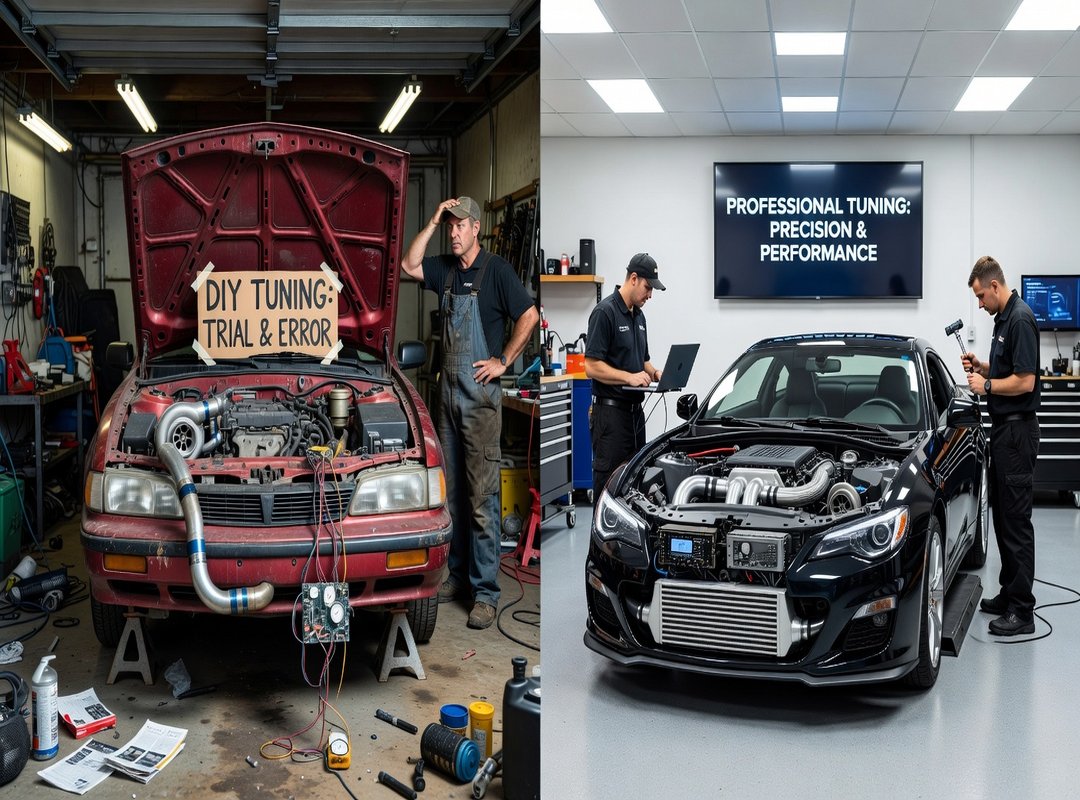
I changed my spark plugs last weekend. Took ten minutes. I checked the air filter too.
It was clogged with dust and bug guts (gross, but real).
You can do that. You should. Idle adjustments?
Maybe. If your bike’s manual says it’s safe and you’ve done it before.
But I once tried ECU remapping on my own. Felt confident. Then my throttle stuck at 4000 RPM on the highway.
Not fun.
If you don’t know what a dyno actually does, don’t touch the fuel map. Professionals have gear you can’t rent. They’ve seen what happens when timing goes wrong.
Engine damage isn’t theoretical.
I watched a buddy melt a piston because he trusted a YouTube video over a mechanic.
Safety isn’t optional. Performance drops are annoying. A seized engine is expensive.
So ask yourself: Do I understand what this adjustment changes. Not just how to turn the screw?
That’s where Motorbike Tuning Advice Fmbmototune matters most. Not as a shortcut. As a reality check.
When in doubt (walk) away from the wrench.
Call someone who’s done it fifty times.
Your Bike’s Begging for Help
My bike coughed black smoke last Tuesday. I ignored it. Big mistake.
Poor fuel economy? That’s your wallet screaming. Backfiring?
It’s confused.
That’s your engine spitting out rage. Hesitation when accelerating? It’s not lazy.
Rough idle means it’s tired of pretending to run right. Sluggish performance? Yeah, you’re not slow.
You’re being held back. White exhaust smoke? Lean mixture.
Black? Too much gas. (And no, your carburetor isn’t plotting revenge.)
You know your bike better than any manual does. Trust the feel. Trust the sound.
Ignore it long enough and you’ll be walking home.
For real talk on risks and reality: Is Motorcycle Tuning Safe Fmbmototune
That’s where my Motorbike Tuning Advice Fmbmototune starts. And stops being optional.
Ride Better Tomorrow
I’ve tuned bikes for years.
Most riders don’t know their bike is holding back.
You feel it. Flat power, rough idle, sluggish throttle. That’s not normal.
That’s wasted potential.
Smart tuning fixes the basics first: air, fuel, spark. It’s not magic. It’s matching what the engine needs to what it gets.
You don’t need a dyno to start. Just listen. Watch how it runs.
Check the plugs. Clean the filter.
If it still stumbles or bogs? Stop guessing. Find someone who knows ignition timing and fuel maps.
Not just flashy gadgets.
Motorbike Tuning Advice Fmbmototune works because it respects your bike and your time.
Your pain point isn’t complexity (it’s) confusion. So pick one thing today. Adjust it.
Feel the difference.
Then go again.
 Sylrith Marrowlance is a contributor at FMB Motor Racing who specializes in racing highlights, performance vehicles, and automotive technology trends. Passionate about motorsport culture and engineering advancements, he creates engaging articles that keep readers informed about the latest developments in the racing world.