
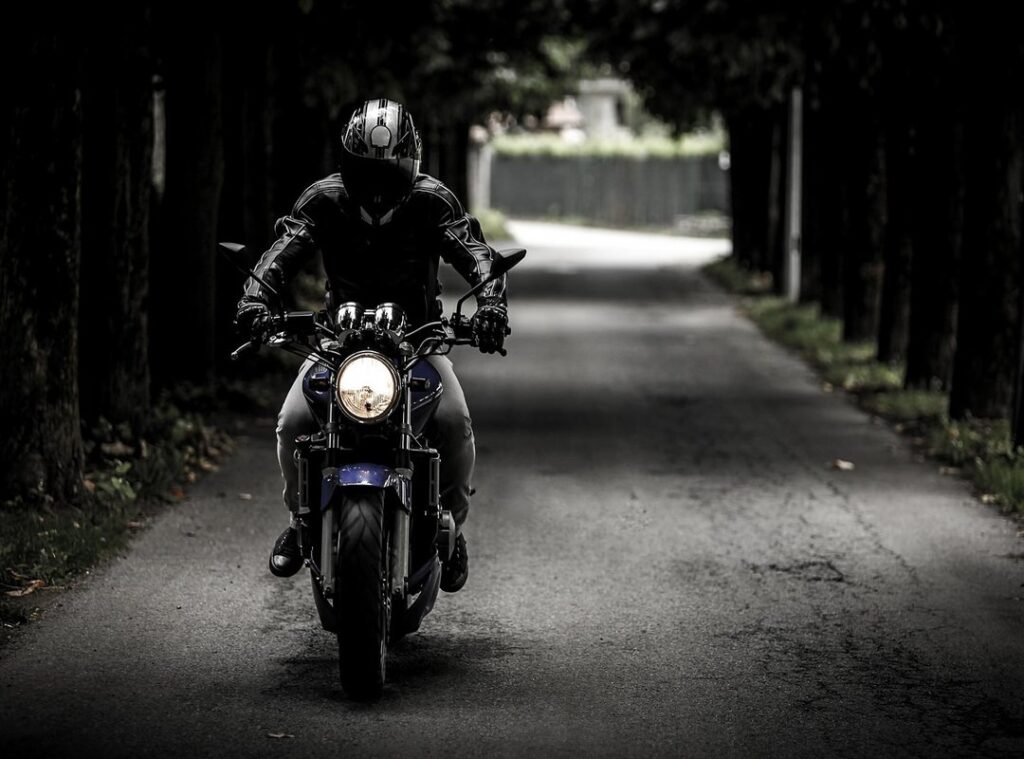
You’ve stared at helmet racks for ten minutes.
You’ve read three reviews and still don’t know what fits your head. Or your ride.
Which Motorbike Helmet Should I Buy Fmbmotogear? That question isn’t vague. It’s urgent.
You need something that stays put at 50 mph. That doesn’t fog up in rain. That won’t give you a headache after twenty miles.
I’ve bought six helmets. Thrown two back. Worn one too long just because returning it felt like work.
Safety isn’t theoretical here. It’s the difference between walking away from a low-speed drop (and) not.
This guide skips the jargon. No “aerodynamic profiles” or “multi-density EPS layers.”
Just real talk: how to check fit, why weight matters more than you think, and when to walk away from a sale.
You want confidence. Not confusion. Before you buckle up.
You want to know exactly what to look for, not what some lab test says.
I’ll show you how to pick a helmet that works for you. Not the brochure. Not the influencer.
You. No fluff. No hype.
Just clear answers to Which Motorbike Helmet Should I Buy Fmbmotogear.
Which Helmet Actually Fits Your Ride?
I bought a full-face helmet for my first sport bike. Felt like armor. Then I switched to a scooter in the city and roasted.
My ears sweat. My jaw ached. I swapped to an open-face.
Big mistake on the highway (wind) ripped my glasses off at 45 mph.
Full-face helmets cover your whole head. Best protection. Best for sport bikes, touring, anything over 50 mph.
They’re heavy. Hot. You can’t talk without lifting the visor.
Open-face (3/4) helmets leave your chin bare. Lighter. Cooler.
Great for short city rides. Terrible if you hit gravel or take a tumble sideways.
Modular helmets flip up. Sounds smart. It’s not.
The hinge adds weight and weakens the shell. I cracked one on a low-speed drop. The hinge bent.
The shell didn’t hold.
Off-road helmets have big chin bars and vents everywhere. Useless on pavement (too) loud, no face shield, zero aerodynamics.
Dual-sport helmets try to do both. They’re bulky compromises. Fine for light trails and backroads.
Not for serious dirt or serious speed.
So ask yourself: Where do you ride most? What bugs you most (heat,) weight, noise, or visibility?
Which Motorbike Helmet Should I Buy Fmbmotogear?
Start with this guide. It breaks down real fit, real weight, real airflow.
I tried five helmets before finding one that didn’t give me a headache after 20 minutes. You’ll know it when you put it on. And when you forget it’s there.
Helmets Don’t Lie
I’ve seen too many cracked shells on the roadside. That shiny helmet you love? It’s useless if it’s not certified.
DOT means it passed basic U.S. crash tests. ECE is stricter and accepted in 50+ countries. Snell is the toughest.
Built for racetracks, not just highways.
You don’t get to pick which standard matters. You need one of them. Period.
Polycarbonate helmets are cheap and tough. Fiberglass is lighter and stiffer. Carbon fiber?
Lightest and strongest. But costs more than your first bike.
None of that matters if the EPS liner fails. That foam inside isn’t just padding. It crushes on impact (so) your skull doesn’t.
You feel the weight when you lift it. You hear the hollow thud when you tap the shell. You smell the glue and foam the first time you wear it.
Which Motorbike Helmet Should I Buy Fmbmotogear. Yeah, that’s what you’re really asking while staring at ten tabs open.
A helmet without certification is like a seatbelt made of yarn. It looks right. It feels right.
It won’t save you.
Buy certified. Wear it every time. Even to the gas station.
Helmets Aren’t One-Size-Fits-All
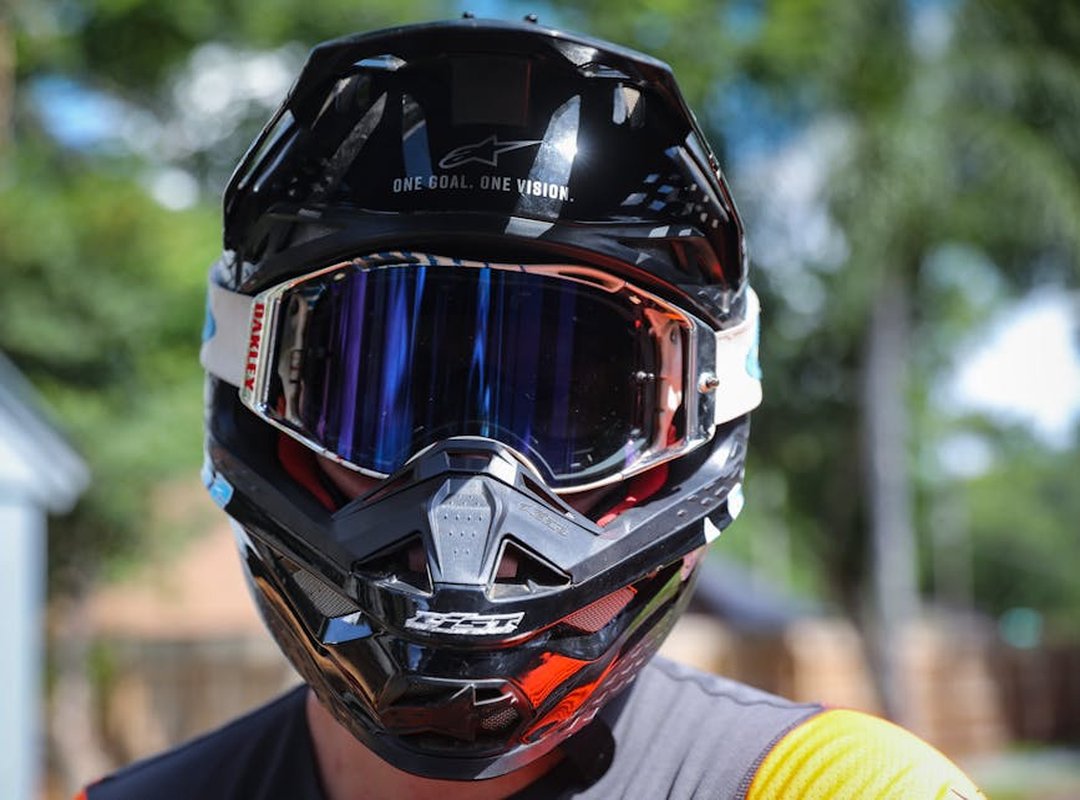
I’ve seen riders wear helmets that slide sideways when they nod. That’s not style. That’s danger.
A helmet that moves is a helmet that won’t protect you in a crash. Period.
Measure your head just above your eyebrows and ears. Use a soft tape. No guessing.
If it’s 58 cm, don’t buy a 59 cm because “it’ll break in.” It won’t.
A good fit feels snug (not) tight, not loose (like) a firm handshake. You should feel even pressure all around. No hot spots.
No gaps behind your ears or across your forehead.
Try it on. Shake your head. Yawn.
If it shifts, it’s wrong. Even if the size chart says it’s right.
Brands cut for different head shapes: round oval, intermediate oval, long oval. My head’s long oval. Most helmets pinch my temples.
Yours might be the opposite.
Which Motorbike Helmet Should I Buy Fmbmotogear? Start with the Fmbmotogear motorcycle gear by formotorbikes page. But skip the shiny photos.
Go straight to the fit notes.
And skip the sales pitch. Try it on. Walk around.
Wait ten minutes. Then decide.
What Actually Matters in a Helmet
Ventilation isn’t optional. It’s the difference between riding clear-headed and sweating through your liner while your visor fogs up mid-turn. I’ve ridden with helmets that felt like ovens.
Don’t be me.
Visors? Clear is fine for day. Tinted works until sunset hits.
Photochromic adjusts. But it’s slow, and cheap ones fail fast. Anti-fog coating helps, but only if you clean it right.
(Spoiler: most people don’t.)
Internal sun visors are underrated. Flip one down instead of swapping visors at a stoplight. Yes, it’s that simple.
Quick-release buckles save time (and) panic (when) you’re rushing to get back on the road. Removable liners? Non-negotiable.
Sweat builds up. Wash them. Or smell them later.
Communication system compatibility isn’t just about slots. It’s about space, wiring paths, and whether the mic sits where your mouth actually is.
You ride in heat? Prioritize airflow. Night rider?
Skip tinted visors. Use intercoms daily? Test fit with your headset before buying.
Which Motorbike Helmet Should I Buy Fmbmotogear depends on where you ride, when, and how much gear you already own.
Most helmets promise everything. Few deliver where it counts.
Helmet Choice Made Real
I’ve been there. Standing in the shop, staring at rows of helmets, wondering which one actually keeps my head safe.
You felt that confusion too.
That panic when every label says “safe” but none tell you why or how it fits your ride.
This isn’t about picking the shiniest one. It’s about knowing what type matches your riding. What standard actually matters (spoiler: DOT alone isn’t enough).
How to check fit before you strap it on. What features matter (and) which ones are just noise.
You now know how to cut through that noise. No more guessing. No more hoping the clerk knows more than you do.
Safety isn’t optional. Comfort isn’t luxury. And your ride (whether) city streets or backroads (demands) a helmet built for you, not a marketing slide.
So ask yourself:
Do I want to keep scrolling? Or do I want to ride today with something that fits, protects, and won’t give me a headache by mile five?
Which Motorbike Helmet Should I Buy Fmbmotogear
Go try one on. Visit your local dealer. Or browse online.
But use what you just learned. Not what looks cool in the photo.
Your head only gets one chance. Make the call. Now.
 Sylrith Marrowlance is a contributor at FMB Motor Racing who specializes in racing highlights, performance vehicles, and automotive technology trends. Passionate about motorsport culture and engineering advancements, he creates engaging articles that keep readers informed about the latest developments in the racing world.