I still remember the first time I heard superbikes screaming through city streets instead of some sterile track in the middle of nowhere.
The sound hits different when it’s bouncing off buildings. When barriers are concrete walls instead of gravel traps. When one mistake means you’re meeting a lamppost at 150 mph.
You’re here because you want racing that feels real. Not sanitized. Not safe. Real.
Most motorsport today is too controlled. Too predictable. You watch from a grandstand half a mile away and feel nothing in your chest.
Street racing changes that equation completely.
FMBMotoracing is what happens when you take professional motorcycle racing and drop it onto public roads. No runoff areas. No room for error. Just riders pushing million-dollar machines through corners that weren’t designed for racing.
I’m going to show you what FMBMotoracing actually is. How street circuits create a completely different kind of competition. And why this format represents the most intense form of motorcycle racing you can watch today.
This isn’t track racing with extra steps. It’s something else entirely.
What is FMB Moto Racing? Redefining the Modern Motorsport Event
FMB Moto Racing isn’t a race.
It’s a festival. A celebration of speed and skill that takes over city streets and turns them into something wild.
Some people say traditional circuits are the only real test of racing ability. They argue that purpose-built tracks with runoff areas and consistent surfaces are where true talent shows. And sure, there’s merit to that thinking.
But here’s what they’re missing.
Street circuits are unforgiving in ways permanent tracks will never be. There’s no margin for error when concrete barriers replace gravel traps.
I built FMB Moto Racing around one simple idea. Take everyday urban landscapes and transform them into temporary racetracks that challenge everything riders think they know.
You want to see skill? Watch a rider navigate manhole covers at 120 mph.
The road surface changes every fifty feet. Tight corners appear where delivery trucks parked yesterday. One mistake and you’re into a wall with zero runoff zone to save you.
This is how motorbike racing started fmbmotoracing brought into the modern age. Raw. Immediate. Real.
But it’s more than just racing.
My mission is straightforward. Break down every barrier between you and the sport. No VIP sections keeping fans at a distance. No sterile viewing areas half a mile from the action.
You hear the engines scream. You smell burning rubber and race fuel. You feel the ground shake when the pack roars past.
Here’s what I recommend: Come experience street racing fmbmotoracing for yourself.
Because reading about it doesn’t do it justice. You need to be there when a city block transforms into a battleground where motorcycle culture comes alive.
The Anatomy of an FMB Race Weekend: A Spectacle of Speed and Sound
You’ve got two choices when it comes to motorsports.
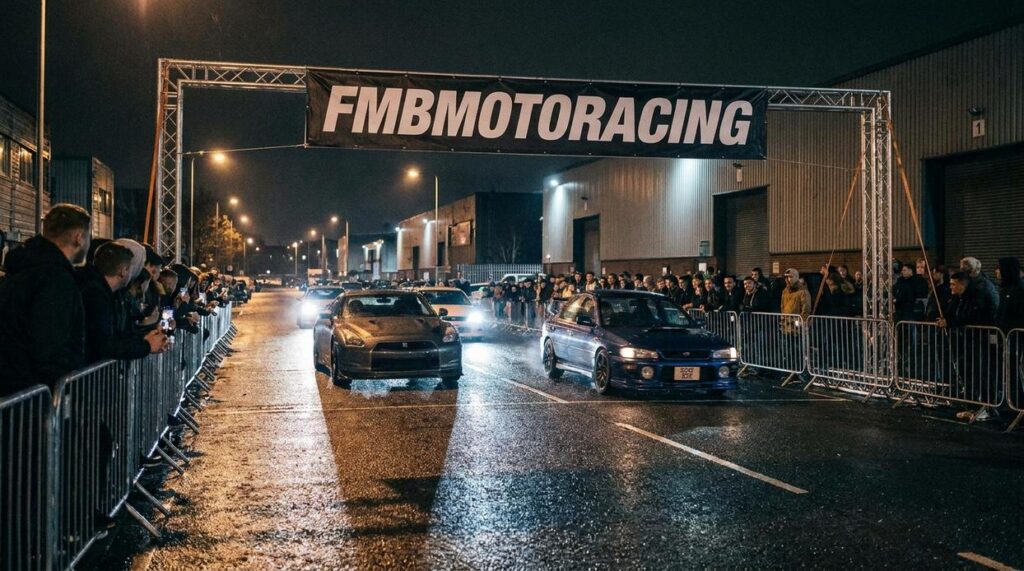
You can watch from a grandstand at a traditional track, separated by catch fencing and hundreds of feet of runoff. Or you can stand at a street racing fmbmotoracing event where bikes scream past close enough to feel the heat.
They’re not even close to the same experience.
The moment you arrive, you know something different is happening. The air smells like race fuel and hot brakes. Engines echo off buildings instead of disappearing into open air. And the crowd? They’re not sitting quietly in assigned seats.
Here’s how a typical race weekend breaks down:
Friday
- Morning practice sessions where riders learn the street course
- Afternoon qualifying that sets the grid
- Evening paddock access when teams are still making adjustments
Saturday
- Final practice runs
- Heat races that narrow the field
- Night sessions under temporary lighting (when applicable)
Sunday
- Warm-up laps at dawn
- Main event races throughout the day
- Podium ceremonies on actual city streets
But the racing itself? That’s just part of it.
Between sessions, you can walk through the paddock. Get within arm’s reach of the bikes. Watch mechanics swap engines or adjust suspension. Most riders will talk to you if they’re not suiting up.
The vendor village feels more like a street festival than a corporate expo. Local food trucks mix with gear suppliers and aftermarket parts dealers.
Some people say street racing is too dangerous. That it puts riders and spectators at risk for the sake of entertainment.
Fair point.
But here’s what they don’t see. Every course gets inspected multiple times before a single bike rolls out. Certified barriers line every inch of the track. Medical teams position themselves at predetermined points based on corner speed and crash probability. Course marshals train for months.
Is it riskier than a purpose-built circuit? Sure. But the safety protocols are serious. They have to be.
The Machines and the Riders: A Breed Apart

You want to know what separates street circuit racing from track racing?
It’s the bikes. And the people who ride them.
Most people think a race bike is a race bike. They see superbikes tearing around Phillip Island and figure that’s what shows up at street circuits too.
Not even close.
Street circuits demand something different. The machines need to handle surfaces that would make a track engineer cry. The riders need skills that go way beyond what you see at traditional circuits.
Let me break down what actually happens when you take racing to the streets.
The Bikes That Show Up
Superbikes are the headliners. These are factory-backed machines pushing 200+ horsepower. They’re built for this specific type of punishment.
But here’s what makes street racing interesting. You also get modified street-legal bikes. Riders take production motorcycles and transform them into race-ready machines that can handle both the track and the chaos of public roads.
Each class brings its own flavor. Superbikes deliver raw speed and precision engineering. Modified street bikes? They prove what’s possible when you start with something you could legally ride to work (if you had a death wish).
What It Takes to Survive Street Surfaces
Track bikes get pampered. Smooth asphalt. Consistent grip. Predictable conditions.
Street circuits laugh at that comfort.
Suspension tuning becomes critical. You’re dealing with manhole covers, surface changes, and bumps that appear mid-corner. The suspension needs to absorb impacts without losing contact with the road.
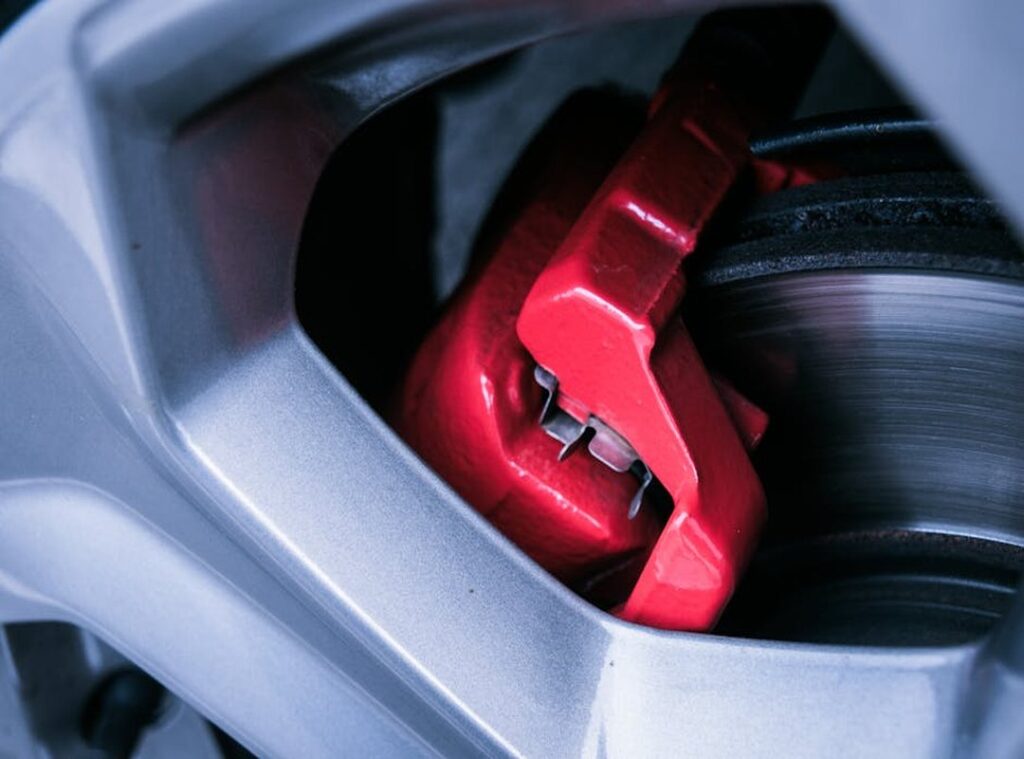
Braking systems take the worst beating. Street racing means going from full throttle to near-zero in spaces where there’s no runoff. Just walls. The brakes need to handle repeated harsh deceleration without fading or failing.
Teams spend hours dialing in settings that would seem too soft for a traditional track. Because on streets, compliance keeps you alive.
The Riders Who Master It
Want to know which rider won the motogp fmbmotoracing championship?
It wasn’t the fastest guy. It was the one who adapted quickest.
Street circuit riders need intense focus. There’s no room for mental drift when concrete barriers sit inches from your handlebars at 150 mph.
They adapt faster than any other discipline requires. Track conditions change. Weather shifts. That bump you memorized in practice? It feels different now that the temperature dropped.
And courage? That’s table stakes in street racing fmbmotoracing.
These athletes make split-second decisions that most people couldn’t handle with hours to think. They commit to lines where the margin for error is measured in millimeters.
That’s why they’re considered masters of something most riders won’t even attempt.
Why Street Racing Captures the Imagination
You want to know what makes street racing different?
It’s the chaos.
I’m not talking about reckless driving or illegal runs (that’s a whole different conversation). I mean real street racing like the events FMB Motor Racing covers. The kind where professionals take over city blocks and turn them into temporary circuits.
Here’s what gets me every time.
On a traditional track, drivers know every inch. They’ve run the same corners a thousand times. The asphalt is perfect. The runoff areas are designed for safety.
Street courses? They’re alive.
One year the surface is smooth. Next year there’s a patch job that throws off your braking point. A manhole cover that wasn’t an issue last season suddenly becomes a launch pad at 120 mph.
That unpredictability is what hooks people.
Some racing purists hate this. They say street racing fmbmotoracing lacks the precision of purpose-built tracks. That it’s too dangerous and too variable to showcase real skill.
I think they’re missing the point entirely.
The variables are exactly what make it compelling. Watching a driver adapt in real time, finding grip where there shouldn’t be any, threading a car through barriers with inches to spare. That’s not less skillful. It’s a different kind of mastery.
And let’s be honest about something else.
Street races bring the action to you. No need to drive two hours outside the city to some remote facility. The racing happens on roads you know. Streets you’ve walked. That familiarity makes the speed feel even more absurd when you see it in person.
Experience Racing in its Purest Form
You came here looking for something different.
Not another sanitized track event. Not another predictable race where everything feels rehearsed.
You wanted raw competition. The kind that makes your pulse spike.
FMB Motor Racing delivers exactly that. We bring elite riders to city streets where anything can happen. No safety nets. No second chances.
Traditional circuits can’t match this. They’re too controlled and too safe. Street racing strips away all that padding and shows you what these riders can really do.
The unpredictability is the point. When talent meets concrete and sharp corners, you get a spectacle that stays with you.
Here’s what you need to do: Find the next FMB Motor Racing event on the schedule. Follow the action online if you can’t make it in person. Watch what happens when racing gets back to its roots.
This is where the sport is heading. You can either watch it unfold or miss out completely.
The choice is yours.
 Grythara Cloud is the founder of FMB Motor Racing, a platform created for passionate auto and moto enthusiasts seeking informative coverage on racing culture, vehicle performance, and modern motorsport trends. With a deep appreciation for speed, engineering, and automotive innovation, Grythara built the platform to connect readers with practical insights and exciting developments from the racing world.