I created the FMB Moto Racing competition because racers and fans kept asking me the same questions over and over.
Where do I register? What classes can I enter? When does everything happen? What should I expect if I’m just coming to watch?
You shouldn’t have to dig through forums or outdated posts to find basic information about a major racing event.
This guide gives you everything you need to know about the FMB Moto Racing competition in one place. Registration details. Race classes. Entry requirements. Event schedules. The whole picture.
I’m writing this because I run the event. Every detail here comes straight from the source.
You’ll learn exactly what it takes to compete and what makes this competition worth your time whether you’re racing or watching from the stands.
No guesswork. Just the facts you need to show up prepared.
What is the FMB Moto Racing Competition?
You’ve probably heard about MotoGP or Superbike World Championship.
But what about the riders who aren’t quite there yet? The ones who have the skill but not the factory backing or the million-dollar sponsorships?
That’s where fmbmotoracing motorbike racing by formotorbikes comes in.
I created this series because I saw a gap. Too many talented riders were stuck between local club racing and the professional circuits. They had nowhere to prove themselves on a real stage.
The Mission Behind the Series
FMB Moto Racing exists to push both rider and machine to their limits.
We’re not just running laps. We’re testing who can handle pressure when it counts. Who can set up a bike properly. Who has the racecraft to make passes stick.
This is a premier racing series, but it’s not locked behind factory team doors. Semi-pro and elite amateur racers get the same professional-grade circuit that the big names use. Same timing systems. Same safety standards. Same competitive intensity.
Here’s what makes us different. Most professional leagues won’t let you in unless you’ve already made it. We give you the platform to actually make it.
How the Competition Works
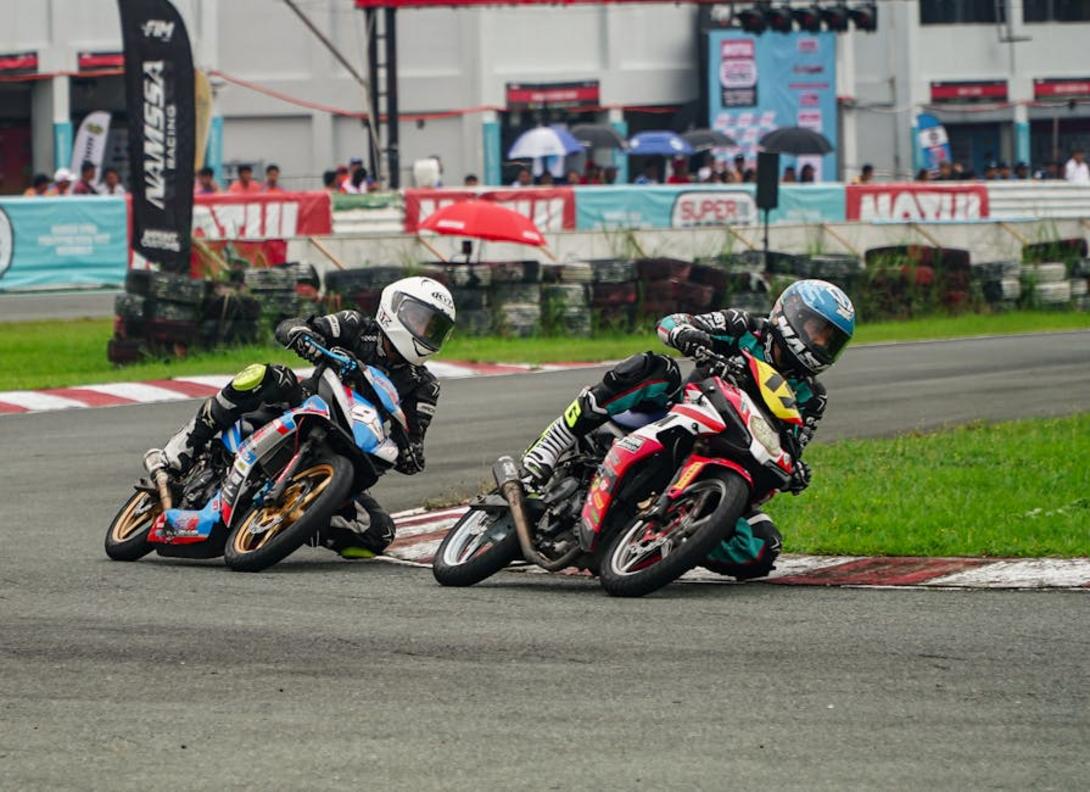
Each event runs over a full weekend. You get qualifying rounds to set your grid position. Then heat races to prove you belong up front. Finally, the main event where everything is on the line.
Every class gets this format. That means maximum track time and real stakes in every session.
| Session Type | Purpose | Impact |
|——————|————-|————|
| Qualifying | Grid position | Sets starting order |
| Heat Races | Class ranking | Determines main event entry |
| Main Event | Championship points | Defines series standings |
No sitting around waiting for your one shot. You’re racing all weekend.
The Prestige Factor
Now, some people might say we’re just another regional series trying to sound important.
Fair point. There are plenty of those.
But here’s what they’re missing. We’ve been running motorbike competition fmbmotoracing events for years now, and our alumni roster tells the story. Riders who cut their teeth with us are now competing at national and international levels.
That doesn’t happen by accident.
I think we’ll see even more of our graduates moving up in the next few years (though I can’t promise anything). The level of competition here is getting tighter every season. The lap times are dropping. The racing is getting closer.
When you create an environment where skill matters more than budget, talent rises fast.
That’s always been the philosophy. Fair competition. Technical skill. And a community that actually cares about racing instead of just the business of racing.
You want to prove you can ride? This is where you do it.
Competition Classes & Technical Regulations
You might think all racing classes are basically the same.
Just different bike sizes, right?
Wrong.
I see riders all the time pick the wrong class and wonder why they’re struggling. They either feel outgunned or bored out of their minds.
Some people say you should just start with whatever bike you own. They argue that spending money on a class-specific machine before you know if you even like racing is wasteful.
Fair point. But here’s what happens when you show up with the wrong setup.
You spend more time fighting your bike than learning racecraft. And you probably won’t come back for round two.
Let me break down what actually matters in each class at fmbmotoracing.
SuperSport 600 Class
This is where most serious racers end up. Your bike needs to be a 600cc four-cylinder sportbike with limited modifications allowed.
Engine internals? Stock. You can change your exhaust and tune your ECU but that’s about it.
Tires must be DOT-approved treaded rubber. No slicks here. Suspension can be upgraded but your frame and swingarm stay factory.
You need a current racing license and proper safety gear. The competition is tight because everyone’s running similar power levels.
Open Liter-Bike Class
Now we’re talking about 1000cc+ superbikes with fewer restrictions.
You can modify engine internals and run race-spec electronics. Slick tires are allowed. Speeds hit 180+ mph on most tracks (which is exactly why this class isn’t for beginners).
The skill gap shows fast here. These bikes make serious power and they’ll punish mistakes harder than anything else on the grid.
Lightweight Twins Division
Here’s where I tell new racers to start. Sub-650cc twin-cylinder bikes that teach you proper technique.
You’re not relying on horsepower to make up for bad lines. Cornering matters more than anything else. The bikes are cheaper to buy and maintain, and crashes don’t cost you an entire season’s budget.
Stock engine rules keep costs down. You learn to race, not just go fast in straight lines.
Vintage Classic Series
Pre-1995 machines with period-correct modifications only.
We’re preserving these bikes while still letting you race them hard. No modern electronics or suspension swaps that didn’t exist when your bike was built.
It’s about keeping history alive on the track. And honestly? Some of the closest racing happens here because riders focus on skill over technology.
How to Enter: A Step-by-Step Guide for Racers
You want to race. I get it.
But most track day riders tell me the same thing. They look at the entry process and feel lost. The forms, the licenses, the tech inspections. It all seems like too much work.
Here’s what nobody tells you though.
The registration process isn’t designed to keep you out. It’s designed to keep everyone safe. And once you know what to expect, it’s actually pretty straightforward.
Some people say you should just show up and figure it out at the track. They claim the whole licensing thing is overkill and that real racers learn by doing.
Look, I respect that attitude. But here’s the problem. Show up without the right paperwork and you’re going home. No exceptions. I’ve seen guys trailer their bikes three hours just to get turned away at tech inspection.
Let me walk you through this the right way.
Step 1: Get Your License Sorted
You need a national race license. Period.
Most organizations require at least two track days with an approved school before they’ll issue one. Some want more. Check with your racing body early because processing takes time.
Step 2: Register Online
Hit the official registration portal about six weeks before race weekend. You’ll need proof of your license, bike registration, and your entry fee ready to go.
Miss the deadline and you’re paying late fees. Or worse, you’re on a waitlist.
Step 3: Tech Inspection Prep
This is where most first timers mess up.
Your bike needs safety wire on drain plugs and oil filters. Your brake lines need to be in perfect condition. Coolant gets swapped for water or Water Wetter. And yeah, your leathers need to be in one piece with no tears.
Print the tech sheet from the organizer’s website. Go through every single item two days before you leave. Not the night before when you’re loading the trailer.
(Trust me on this. I’ve watched too many people frantically safety wire their bikes in a dark paddock at 6 AM.)
Step 4: Race Weekend Check In
Get there early on Friday. You’ll grab your transponder, get your paddock assignment, and pick up your race packet.
The riders’ briefing is mandatory. They’ll cover flag rules, track limits, and what happens if you crash. Pay attention because they’re not repeating themselves.
One more thing. Before you even think about racing, make sure your bike is dialed in. That means knowing how to choose motorbike chain lube fmbmotoracing and keeping your drivetrain in race ready condition.
The entry process for motorbike competition fmbmotoracing isn’t complicated. It just requires attention to detail.
Do it right and you’ll be on grid Sunday morning. Do it wrong and you’ll be watching from the fence.
The Spectator Experience: A Guide for the Fans
You’re thinking about coming to watch.
Good call.
But I’ll be honest with you. I can’t tell you exactly what your experience will be like. Every track day feels different depending on weather, turnout, and what class is running.
What I can do is walk you through what to expect.
Ticket options break down pretty simply.
General Admission gets you in the gate. You can roam most of the facility and find your own spot along the fence. It’s the budget pick.
Grandstand Seating gives you an actual seat with a better view of the main straight. Worth it if you don’t want to stand all day.
Paddock Access passes let you get close to the bikes and teams between sessions. Not every fmbmotoracing event offers this, but when they do, it’s the real deal.
Here’s a typical race weekend schedule.
Gates usually open around 8 AM. Practice sessions start by 9. Qualifying runs happen midday, and main races kick off in the afternoon. Each class gets its own time slot.
That said, schedules shift. Weather delays happen. Mechanical issues push things back. Check the day-of updates.
On-site amenities vary by venue.
Most tracks have food trucks and beverage stands. You’ll find official merchandise stalls near the entrance. Some locations set up fan zones with bike displays you can actually touch.
But smaller venues? They might just have basic concessions.
Best viewing spots depend on what you want to see.
The main straight shows pure speed. Tight corners reveal who can really ride. Spots where riders battle for position give you the most action.
I wish I could point you to one perfect location. Truth is, it changes based on the track layout and rider skill levels that day.
Walk around during practice. Find what works for you.
Your Starting Grid for the FMB Moto Racing Competition
I built this guide because finding solid information about motorbike competition fmbmotoracing shouldn’t be a scavenger hunt.
You needed clear details about the FMB Moto Racing Competition in one place. Now you have them.
Whether you’re a rider checking class requirements or a fan planning your weekend, you’ve got what you came for. The structured classes make it fair. The entry process is straightforward.
Here’s what matters now: taking action.
If you’re racing, head to the official registration portal and lock in your spot. The grid fills up fast.
If you’re watching, grab your spectator tickets today. These events sell out and you don’t want to miss the action.
The competition is set. The only question left is whether you’ll be on the grid or in the stands.
Either way, don’t wait.
 Grythara Cloud is the founder of FMB Motor Racing, a platform created for passionate auto and moto enthusiasts seeking informative coverage on racing culture, vehicle performance, and modern motorsport trends. With a deep appreciation for speed, engineering, and automotive innovation, Grythara built the platform to connect readers with practical insights and exciting developments from the racing world.