I’ve been racing off-road motorcycles for years and I still meet riders who have no idea which events they should actually be entering.
You’re probably here because you want to get into off-road racing but the options seem endless. Motocross, Enduro, Hare Scrambles, GNCC. What’s the difference? Where do you even start?
Here’s the truth: each discipline requires different skills and fits different riding styles. Pick the wrong one and you’ll either be bored or way over your head.
I’m breaking down the most popular off-road racing events so you can figure out which one matches your abilities and what you actually want to do on a bike.
This guide covers what makes each event unique, what you need to compete, and how to know if it’s right for you. No fluff about the history of dirt bikes or why racing is awesome.
fmbmotoracing exists because riders need straight answers about getting on track. We race. We wrench. We know what works.
You’ll learn the real differences between Motocross and Enduro (not just that one has laps). You’ll understand why Hare Scrambles might be perfect for you even if you’ve never raced before.
By the end, you’ll know exactly which event to show up to first.
The Core Disciplines: Understanding the Landscape of Off-Road Racing
Off-road racing puts you and your machine against terrain that doesn’t care about your skill level.
Dirt. Rocks. Mud. Sand.
It’s raw. It’s demanding. And it separates riders who talk from riders who can actually handle a bike when things get rough.
Some people say off-road racing is just motocross with different names. They think if you can ride one discipline, you can ride them all.
They’re wrong.
Each discipline tests you differently. What works on a motocross track will get you stuck (or worse) in a desert race.
The Four Pillars That Define the Sport
Motocross (MX) happens on closed-circuit tracks with jumps and tight turns. You’re racing against other riders in short, intense heats. Think 15 to 20 minutes of full-throttle action where one mistake costs you positions.
Enduro racing mixes technical trail sections with timed special tests. You need navigation skills and the endurance to ride for hours. The terrain changes constantly and you can’t just pin it and hope for the best.
Hare Scrambles and Cross-Country events send you through woods and fields on marked courses. These races last one to three hours. You’re battling other riders while dodging trees and managing your energy over multiple laps.
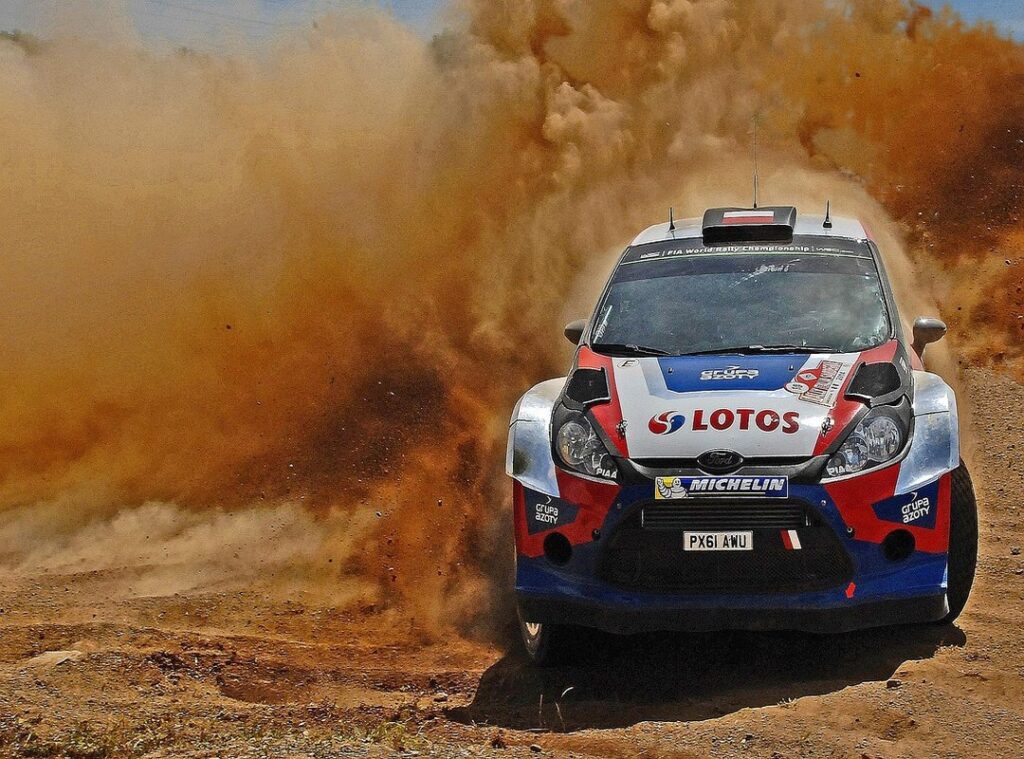
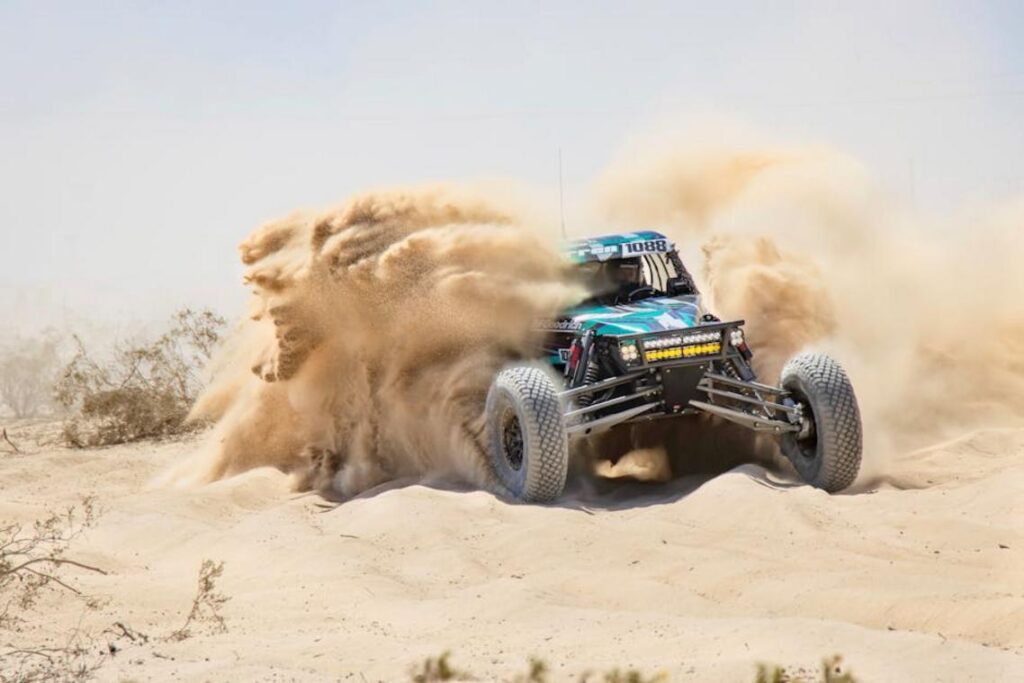
Desert Racing is the marathon of offroad racing fmbmotoracing. We’re talking 50 to 500 miles across open terrain. Your bike needs to survive and so do you.
Here’s what matters most.
Every discipline welcomes riders at different levels.
Kids start on 50cc bikes in beginner classes. Weekend riders compete in amateur categories. Professionals race for championships and sponsorships.
You pick your class based on age, bike size, and experience. No one expects you to jump into expert-level racing on day one.
Motocross (MX): High-Flying, High-Intensity Action
You’ve seen the videos.
Riders launching 40 feet through the air, bikes twisting sideways mid-flight, dirt spraying everywhere. It looks insane. And honestly, it kind of is.
But here’s what most people don’t tell you about motocross.
It’s not just about going fast and jumping high. That’s what it looks like from the outside. What actually happens on a motocross track is way more calculated than you’d think.
Some folks say motocross is just for adrenaline junkies who don’t care about strategy. They think it’s all throttle and no brain. That’s the take you’ll hear from people who’ve never actually raced a moto.
Here’s the reality though.
The riders who win aren’t just the bravest. They’re the ones who can read a track in real time while their heart rate is maxed out and their arms feel like they’re about to fall off.
So what exactly is motocross? It’s racing on a closed dirt circuit packed with man-made obstacles. Jumps, tabletops, whoops (those brutal stutter bumps that rattle your teeth), and tight banked corners called berms.
The format is simple. Short races called motos that run 15 to 30 minutes. No time to warm up or find your rhythm. You’re at 100% from the gate drop to the checkered flag.
What separates MX from other offroad racing fmbmotoracing disciplines is the intensity. Everything happens faster. The jumps are bigger. The corners are tighter. Your body takes a beating that most people can’t imagine.
You need aggressive riding skills, solid jumping technique, and cornering speed that comes from thousands of laps. But the real separator? Physical fitness. If you’re not in shape, you’ll fade halfway through your first moto.
Want to try it? Look for AMA sanctioned tracks near you. Most offer practice days before you commit to racing. Regional series are everywhere once you start looking.
Just know what you’re getting into. This isn’t a casual weekend hobby.
Enduro & Hard Enduro: The Ultimate Test of Rider and Machine
I’ll never forget watching a rider at my first hard enduro event completely stall out on a near-vertical rock face.
He was halfway up when his bike just stopped. Dead.
Most people would’ve given up right there. But this guy? He held the bike with one hand, restarted it with the other, and somehow clawed his way to the top.
That’s when I understood what enduro really is.
It’s not just racing. It’s problem-solving at 40 mph while your arms are screaming and you can’t feel your hands anymore.
What is Enduro?
Think of it as the marathon of motorcycle racing. These events stretch across dozens or even hundreds of miles of natural terrain. You’re navigating through woods, over rocks, across streams, and up hills that look impossible.
The catch? You need to maintain a set average speed between checkpoints.
Not too fast. Not too slow. Just right.
Some riders say enduro is boring compared to motocross. They want big jumps and packed dirt. I get that appeal.
But here’s what they’re missing.
Enduro tests something deeper. It’s about consistency. Machine preservation (because breaking down 50 miles from the nearest road is a nightmare). And the mental game of staying focused for hours on end.
The Rise of Hard Enduro
Then there’s hard enduro. This is where things get wild.
I’m talking about obstacles that look physically impossible. Boulders the size of cars. Log piles stacked higher than your handlebars. Mud pits that swallow bikes whole.
Hard enduro events like Erzbergrodeo have turned this into a spectator sport. Thousands of people show up just to watch riders attempt sections that 90% of them won’t complete.
It’s part competition, part circus act.
Events Worth Your Time
If you want to see traditional enduro done right, check out the International Six Days Enduro (ISDE). It’s been running since 1913 and it’s still the gold standard.
For hard enduro? Erzbergrodeo is the one. Only a handful of riders finish each year.
You can find coverage of these and other fmbmotoracing motorbike competition from formotorbikes events online. Watch a few runs and you’ll see why offroad racing fmbmotoracing has such a devoted following.
The bikes take a beating. The riders take an even bigger one.
But that’s the point.
Hare Scrambles & Cross-Country: Accessible Endurance Racing
I’m going to be honest with you.
My first hare scramble was a disaster.
I showed up thinking it would be like the trail rides I’d been doing for months. Just longer. Maybe a bit faster.
WRONG.
Ten minutes in, I was gasping for air. My arms felt like concrete. And I got lapped by a 14-year-old kid on a bike half the size of mine.
Here’s what a hare scramble actually is. It’s a lapped race on a marked course that runs anywhere from 3 to 10 miles through woods and open terrain. The race lasts a set time, usually between 1 and 3 hours. Most laps wins.
Sounds simple, right?
That’s the beauty of it. The format is straightforward. No complicated rules or scoring systems to figure out.
But don’t confuse simple with easy.
What I learned the hard way is that hare scrambles sit right between motocross intensity and enduro technicality. You need speed. You need skills. And you DEFINITELY need endurance.
That first race taught me I wasn’t as ready as I thought. (Humbling doesn’t even begin to cover it.)
But here’s why I kept coming back.
The community at these events is different. People actually help each other. Experienced riders give tips. Nobody makes you feel stupid for being new. It’s grassroots racing at its best, and that’s what makes offroad racing fmbmotoracing so appealing to beginners.
If you want to try one, look up the Grand National Cross Country series. Or just search for local hare scramble events in your area. Most regions have their own series running throughout the year.
Just don’t make my mistake. Train first.
Your First Race: Essential Gear and Preparation
You can’t show up to your first race unprepared.
I’ve seen it happen. Riders get excited and skip the basics. Then they get turned away at registration or worse, they get hurt because they cut corners.
Here’s what you actually need.
The Gear You Can’t Skip
A certified helmet comes first. Not your buddy’s old one from 2005. A current DOT or Snell approved helmet that fits your head properly.
Moto boots are next. Street shoes or work boots won’t cut it. You need real protection for your ankles and feet.
Add goggles, gloves, knee braces, and a chest protector to that list. Race organizers won’t let you on the track without them (and for good reason).
Now some people say knee braces are overkill for beginners. They’ll tell you to save your money and skip the expensive protection until you’re faster.
But I’ve watched too many first-time racers go down in turn one. Speed doesn’t matter when someone else makes a mistake and takes you out with them.
Your bike needs attention too. Check your tire pressure the morning of the race. Inspect chain tension and top off your fluids. Clean that air filter while you’re at it.
A bike that quits mid-race because you didn’t do basic maintenance? That’s on you.
Pick the Right Class
Don’t be the person who signs up for intermediate because you think you’re fast at the local trails.
Start in beginner or C-class. You’ll race against riders at your level, which means you can actually learn something instead of getting lapped every three minutes.
The motogp rivalries fmbmotoracing world might look glamorous, but everyone started somewhere. Even the pros began in entry level classes.
Your first race should be about finishing and having fun. Not proving anything to anyone.
Get your gear sorted, prep your bike, and choose the right class. Everything else will follow.
From Spectator to Competitor
You came here confused about where to start in off-road racing.
Now you know the real differences between Motocross, Enduro, and Hare Scrambles. You can see which one fits your riding style and what you want to get out of racing.
That confusion is gone. You have a roadmap.
Understanding what each discipline demands means you can match your skills to the right event. No more guessing or wasting time on the wrong path.
Here’s what you do next: Find a local racing series in your area. Visit a track and watch how things work. Talk to other riders about their experiences (they love sharing stories). Then sign up for your first event.
FMB Motor Racing gives you the information you need to make smart decisions about your racing journey.
The adventure starts now. Pick your discipline and get out there.
 Grythara Cloud is the founder of FMB Motor Racing, a platform created for passionate auto and moto enthusiasts seeking informative coverage on racing culture, vehicle performance, and modern motorsport trends. With a deep appreciation for speed, engineering, and automotive innovation, Grythara built the platform to connect readers with practical insights and exciting developments from the racing world.