Modern Formula 1 is electrifying, isn’t it? But where did it all begin?
Many fans love the thrill of the race but lack a deep understanding of its origins. That’s a gap I want to help fill.
This article dives into the Formula 1 trailblazers. The pioneers who dared to dream and built the foundation of this incredible sport.
I’ve spent years studying the history of motor racing, and I want to share that knowledge with you.
These individuals and their innovations shaped F1 into what it is today.
By understanding their contributions, you gain a richer appreciation for the sport’s heritage.
You’ll discover key figures and events that defined the early years of Formula 1.
This exploration will inform you but also connect you more deeply with the racing culture you love.
Get ready to unearth the stories behind the legends.
Defining a Pioneer: Early Formula 1’s Bold Beginnings
What does it mean to be a pioneer in Formula 1? In the early days, post-WWII to the 1960s, it was about being the first to tackle the unknown. Formula 1 trailblazers were the ones who stepped into a sport barely defined.
Imagine racing with minimal safety gear, facing dangerous tracks, and grappling with technology that was practically prehistoric by today’s standards.
Pioneers in F1 weren’t just drivers. They were engineers, team owners, and even the rule-makers who crafted the sport’s identity. Each played a role in shaping what F1 would become.
Their challenges were unique and immense. They worked with evolving rules, pushing the boundaries of what cars could do. Does that sound like a fun day at the office?
Hardly.
The spirit of innovation ran wild. These folks were risk-takers, fueled by passion and a love for speed. They laid the groundwork for the spectacle we see today, often through trial and error.
And let’s be honest, a lot of error.
Globally, Formula 1 emerged as a premier international racing series. It wasn’t just about the cars. It was about the people, the stories, and the innovation.
Those early pioneers? They were the foundation. Love MotoGP too?
Dive inside latest motogp triumph for more racing passion. Bold, brave, and a bit wild. That’s what defined early Formula 1.
The Daring Drivers: Legends Who Mastered the Early Tracks
What makes someone a legend in the racing world? For me, it’s about skill, guts, and the ability to capture the imagination of fans. Let’s talk about the Formula 1 trailblazers who did just that.
Juan Manuel Fangio is a name that still echoes in the corridors of racing history. Winning five world championships, Fangio was all about plan and consistency. His adaptability across different cars set him apart.
You could say he was the brains behind the wheel, calculating risks like a chess grandmaster. It’s no wonder he’s still studied by drivers today.
Then there’s Alberto Ascari, Italy’s pride and joy. He was smooth, precise, almost like a dancer on the track. Ascari dominated the early 1950s, becoming the first Italian F1 World Champion.
His style was less about raw speed and more about finesse. It’s the kind of thing that makes you sit up and take notice.
Stirling Moss never clinched the World Championship, but he’s often called the greatest to never win it. His versatility and sportsmanship made him a fan favorite. He raced anything with wheels, and his drive was infectious.
You couldn’t help but root for him.
Racing back then was dangerous, no doubt. Yet these drivers pushed the limits. Their rivalries and competitive spirit were the fuel that built F1’s early fanbase.
They took risks, and we watched, captivated by every turn and swerve. They were not just drivers; they were pioneers.
Engineering Visionaries: Shaping the Speed Machines
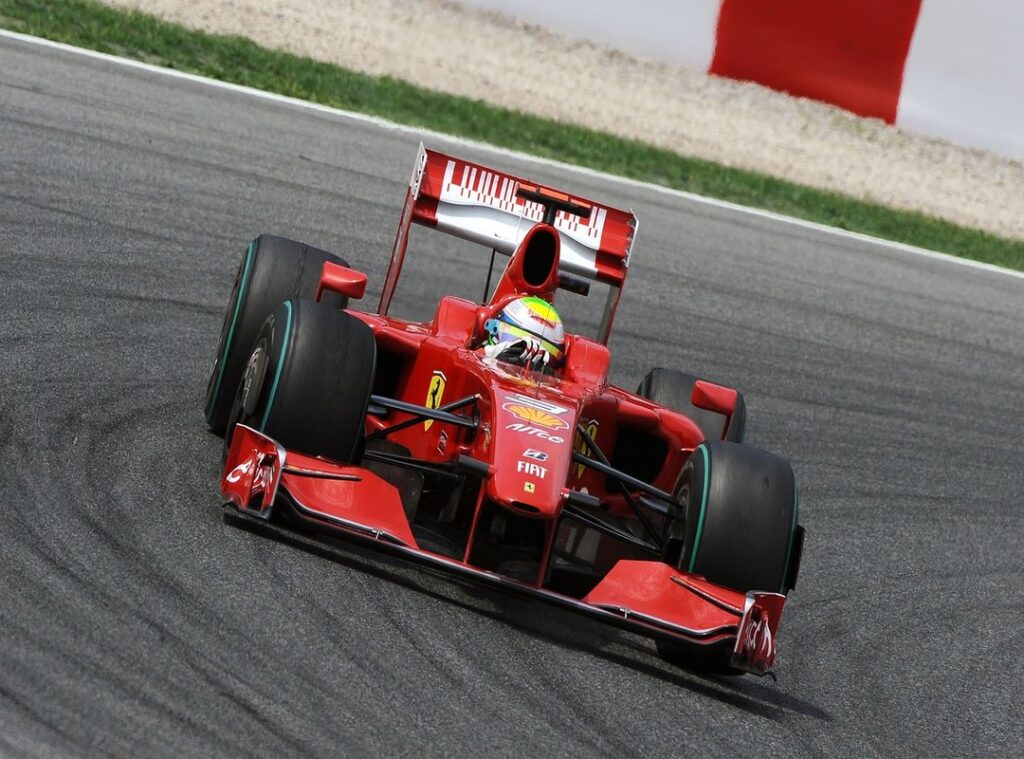
Let’s talk about the minds behind Formula 1’s evolution. These Formula 1 trailblazers weren’t just engineers; they were visionaries turning dreams into reality. Enzo Ferrari, for instance, wasn’t just obsessed with speed.
He was a man of racing grit, building Ferrari into a legendary F1 force. Engines, chassis (he) did it all, setting the stage for a legacy that thrives today.
Colin Chapman? A genius. He flipped the script with Lotus.
Lightweight chassis and monocoque construction? All him. He dabbled in aerodynamics when it was still a wild frontier.
Chapman’s innovations didn’t just increase speed; they made the machines safer, more reliable. Who doesn’t want that on a track where every second counts?
Then there’s the Cooper Car Company. Their rear-engine layout was a game-changer. Before that, cars were front-heavy beasts.
This move shifted the balance, literally and metaphorically. It transformed car architecture and performance, making F1 what it is today.
We can’t overlook the technical advances like disc brakes and suspension tweaks. These weren’t just about going faster. They were about outsmarting the competition, staying one step ahead.
That’s the essence of F1 (an) endless chase for the competitive edge.
Curious about more pioneers? Check out this detailed guide to explore the movers and shakers. Pro tip: Never underestimate the power of a good engineering overhaul.
It can redefine the game.
The Architects of the Sport: Behind the Scenes of F1
When you think of Formula 1, you probably picture the drivers. But let’s talk about the real Formula 1 trailblazers: the organizers and team builders. Without them, we’d be watching a bunch of cars racing aimlessly.
These folks turned F1 from a chaotic mix of races into the structured spectacle we know today.
The FIA, or Fédération Internationale de l’Automobile, played a massive role. They set the rules, standardized safety, and created championship formats. It’s like they were writing the rulebook for a sport that didn’t even know it needed one.
And honestly, without these regulations, we’d be looking at a free-for-all.
Team principals and managers? They’re the unsung heroes. They built the early racing stables, attracted talent, and secured funding.
Think of them as the architects behind the scenes. They saw potential in a sport where others only saw fast cars.
Then there’s Bernie Ecclestone. He might be known for the commercial empire he built later, but even in the early days, he saw something others missed. He understood the potential of making F1 more than just a race.
He laid the groundwork for its commercial success.
Organizing international races post-war was no walk in the park. Coordinating teams across countries was a logistical nightmare. But these pioneers did it.
They turned a collection of races into a cohesive world championship.
Without these visionaries, F1 might’ve just been another forgotten sport. So next time you think of F1, remember the folks who built it. They’re as important as any driver on the track.
And if you’re curious about exploring rally racing new destinations, we’ve got you covered.
Keep the Legacy Alive
You’ve learned about the Formula 1 trailblazers who laid the groundwork for modern racing. Their contributions are often ignored, but they shaped the sport we love today. I can’t stress enough how this knowledge enhances your appreciation for F1.
Understanding these pioneers connects the rich history of the sport to today’s fierce competition.
The spirit of innovation and rivalry that ignited F1 continues to burn bright. By exploring the foundations, you see not just the cars but the people who drove them forward.
So why stop here? Dive deeper into motor racing history. Check out more about racing highlights, vehicle trends, and expert advice.
Your passion for automotive culture deserves that.
Don’t just be a spectator (be) a part of this lively community.
Start your journey now. Explore more content and keep the legacy alive. You won’t regret it.
 Grythara Cloud is the founder of FMB Motor Racing, a platform created for passionate auto and moto enthusiasts seeking informative coverage on racing culture, vehicle performance, and modern motorsport trends. With a deep appreciation for speed, engineering, and automotive innovation, Grythara built the platform to connect readers with practical insights and exciting developments from the racing world.