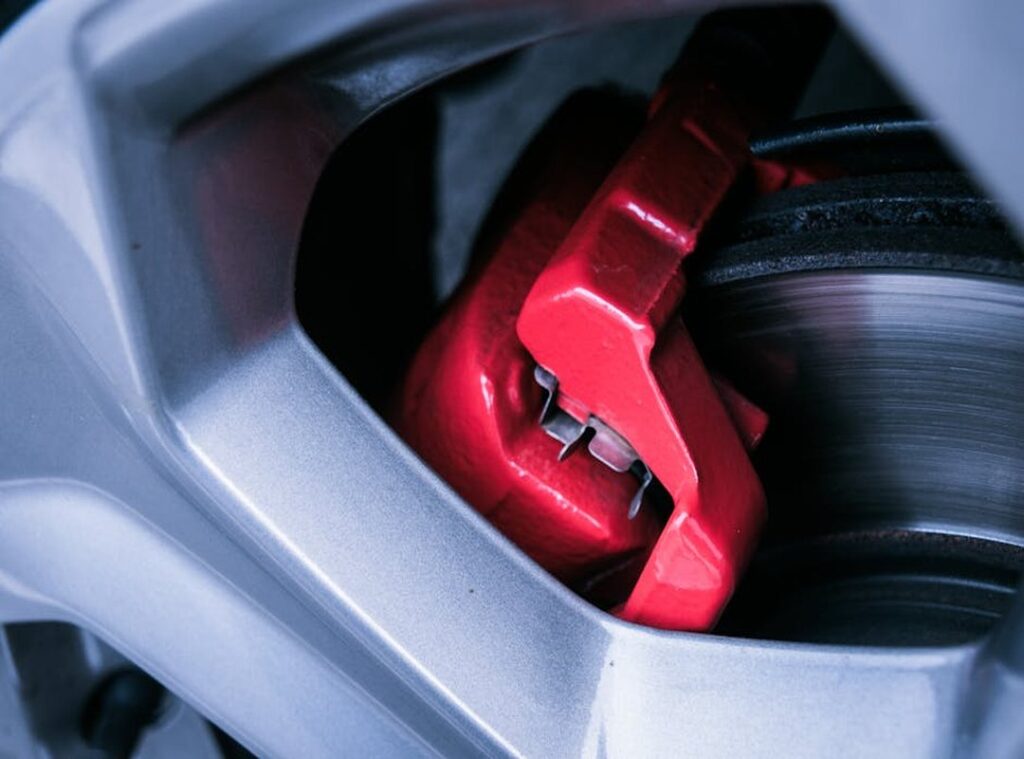

Tires are often the last thing on our minds when it comes to vehicle safety and performance. But neglecting them can lead to serious problems.
I’ve seen it countless times. People drive on worn-out tires, putting themselves at risk and losing money in fuel efficiency.
This article aims to provide a solid guide for tire maintenance safety that you can actually follow. I’m not just sharing theories here; I draw from years of hands-on experience in automotive maintenance and a real passion for vehicles.
You’ll learn how to manage your tires like a pro. I’ll cover common pitfalls like premature wear and how they can lead to accidents or costly repairs.
By the end of this piece, you’ll have actionable tips to keep your tires in check, ensuring safer drives and maximizing their lifespan. Your tires deserve better, and so do you.
Beyond the Rubber: Why Tire Health Matters
Let’s be real. Your tires are your car’s only point of contact with the road. They affect everything: steering, braking, acceleration, and overall stability.
Ignore them, and you’re asking for trouble.
Think about it. Healthy tires mean better grip, shorter stopping distances, and improved handling. You know that feeling when your car hugs the road during a fast turn?
Yeah, thank your tires for that. Plus, proper tire maintenance safety isn’t just about avoiding accidents. It’s about saving money too.
Would an athlete wear flip-flops for a sprint? Of course not.
Neglect your tires, and you’re burning more gas and wearing them out faster. (Not to mention the potential repairs to other parts.) People think tire maintenance is complicated. It isn’t. It’s like choosing the right shoes for running.
Tire maintenance is an investment in your car’s safety and your wallet. Simple as that. So why do people hesitate?
Maybe they think it’s secondary. It’s not. It’s fundamental.
Keep those tires in check. Your car (and your bank account) will thank you.
Quick Tire Checks: Keep Rolling Smoothly
Tire maintenance safety is something we all forget about until it’s too late. Let’s fix that. A weekly tire check doesn’t have to be a chore you dread.
It can be as quick as a pit stop (and who doesn’t want to feel like they’re in a race?).
Start with a visual inspection. Look for cuts, bulges, or embedded objects. These are the bad guys that can ruin your ride.
If you spot shoulder wear, it might mean you’re cornering too hard. Center wear? Probably over-inflated tires.
You get the idea.
Don’t overlook the valve caps. They’re tiny but key. They keep your tire pressure stable.
Missing one? Replace it immediately.
Found damage? Decide if it’s time for a pro or a DIY fix. If you’re uncertain, don’t gamble on your safety.
You can integrate these checks into your routine easily. Do them during a fuel stop or before a long trip. A quick look over your tires is worth it.
And while you’re thinking about maintenance, check out our guide on Engine Oil Change Frequency. Keeping your engine in top shape is just as important.
The Pressure Point: Mastering Tire PSI
Let’s talk about PSI. It stands for Pounds per Square Inch, and it’s the key factor in tire maintenance. Seriously, if you’re not checking it, you’re asking for trouble.
You might be wondering, how do you find the right pressure? It’s not on the tire. Check the driver’s side door jamb or the owner’s manual.
Forget the max pressure on the tire itself, that number isn’t for you.
Why such a fuss about PSI? Underinflate your tires and they’ll heat up like a summer sidewalk. Your fuel economy will tank, and you’re flirting with blowouts.
Overinflate and you get a bumpy ride, less traction, and uneven wear. No one wants that.
Here’s a step-by-step to keep your tires in shape: Grab a reliable gauge (digital or stick, just be sure it’s accurate). Check the pressure when the tires are cold. Cold means they haven’t been driven in a couple of hours.
Temperature changes mess with PSI. When it gets colder, expect pressure to drop. This means more frequent checks in fall and winter.
Pro tip: Invest in a quality gauge. Accuracy matters here.
Curious about more car care? Look at how car battery tips longevity can save you headaches. Tire maintenance safety is clutch, but don’t neglect other essentials.
Keep your vehicle healthy and your ride smoother.
Tire Talk: Mastering Tread Depth for Safety
Tread depth. It’s the unsung hero of tire performance. You might think it’s just about looks, but it’s key for traction, especially on wet roads.
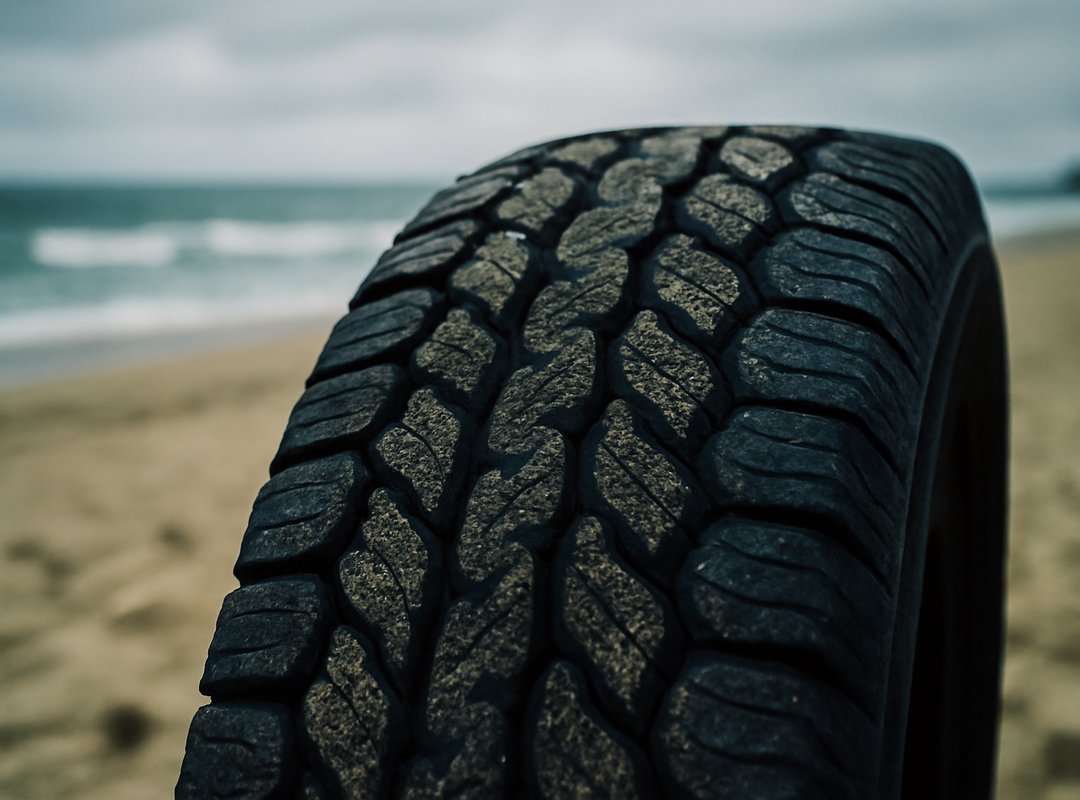
Those grooves channel water away, reducing the risk of hydroplaning. Want to measure tread depth? Grab a penny or a tread depth gauge.
Now, let’s talk numbers. The legal minimum tread depth is 2/32 of an inch. Anything less, and you’re flirting with disaster.
Place the penny into the tread with Lincoln’s head facing down. If you can see the top of his head, your tread is too worn. Simple, right?
I’ve seen it too many times. People ignore this and pay the price. Not worth it.
Wear patterns tell tales about your vehicle’s health. Center wear? That’s overinflation.
Fix it by adjusting your tire pressure. Shoulder wear on both sides? You’re underinflating.
One-sided wear screams alignment issues or worn suspension. Cupping or scalloping gets worse with unbalanced tires or bad shocks. Feathering means your toe alignment is off.
Each pattern gives clues, so don’t ignore them.
Safety implications of worn treads? Huge. Worn treads mean less grip and more risk of losing control.
Don’t believe me? Check out tire maintenance safety for more data. It’s an eye-opener.
So, what’s your next move? Check your tires. Adjust your PSI.
Get an alignment. Replace worn parts. Simple steps save lives.
Tire maintenance isn’t just about extending the life of your tires. It’s about protecting you and everyone else on the road.
Extending Tire Life: Rotation, Balancing, and Alignment
I’ve seen too many folks neglect tire maintenance, which is a big mistake. Let’s talk about tire rotation. It’s necessary because tires wear unevenly depending on their position.
Front-wheel drive, rear-wheel drive, or all-wheel drive (each) has its own rotation pattern. Do it every 5,000 to 8,000 miles. Why?
Because it spreads wear evenly, making your tires last longer.
Then there’s tire balancing. If your steering wheel shakes at certain speeds, you might need this. Balancing corrects those vibrations by adding small weights to the rim.
It’s a simple fix but key for smooth driving. Unbalanced tires can cause uneven wear and that’s just throwing money away.
Finally, wheel alignment. It adjusts camber, caster, and toe angles. Ever notice your car pulling to one side?
That’s poor alignment. Fixing it boosts steering precision and extends tire life. Let’s not overlook these tasks.
They’re not just preventative maintenance; they’re key for tire maintenance safety. When in doubt, consult a pro. DIY checks are fine, but some things need expert hands.
Why risk it?
Keep Your Tires in Check
Tires are key for your vehicle’s safety and performance. Yet, many people neglect them. The solutions (regular) checks, proper pressure, and understanding wear (are) simple.
By committing to tire maintenance safety, you invest in your own peace of mind on the road.
So why wait? Check your tires today. Establish a routine for maintenance.
Consult with trusted automotive professionals if you have any concerns. Your safety depends on it. Take action now.
 Sylrith Marrowlance is a contributor at FMB Motor Racing who specializes in racing highlights, performance vehicles, and automotive technology trends. Passionate about motorsport culture and engineering advancements, he creates engaging articles that keep readers informed about the latest developments in the racing world.