Persistent brake noise drives everyone nuts. Squealing, grinding, or groaning? It’s annoying and often a sign of trouble.
I’ve spent countless hours diagnosing and fixing automotive issues. I know brake problems inside and out.
This article dives deep into effective options for identifying and eliminating those annoying sounds.
You want a noisy brakes solution, and I’m here to deliver.
I’ll share battle-tested strategies that come straight from real-world experience.
These aren’t just theories; they’re practical, reliable methods I’ve used on everything from daily drivers to high-performance machines.
You deserve to enjoy a quiet ride.
So let’s get started.
By the end, you’ll have actionable steps to silence those irritating brakes and restore peace to your driving experience.
No more guessing and no more frustration.
Just straightforward advice that you can trust.
Join me as we tackle this problem head-on and make your brakes quiet again.
Decoding the Din: Stop the Squeal and Grind
What’s that noise? If you’ve got noisy brakes, you’re not alone. The first step to finding a noisy brakes solution is understanding the type of noise.
Trust me, it’s like unlocking a map to what’s wrong.
A high-pitched squeal usually means worn pads or a lack of lubrication. Sometimes it’s cheap pad material. Ever heard a metallic grind?
That’s a big warning sign of metal-on-metal contact (often) from severely worn pads. Or maybe there’s a rock lodged somewhere (happens more than you’d think).
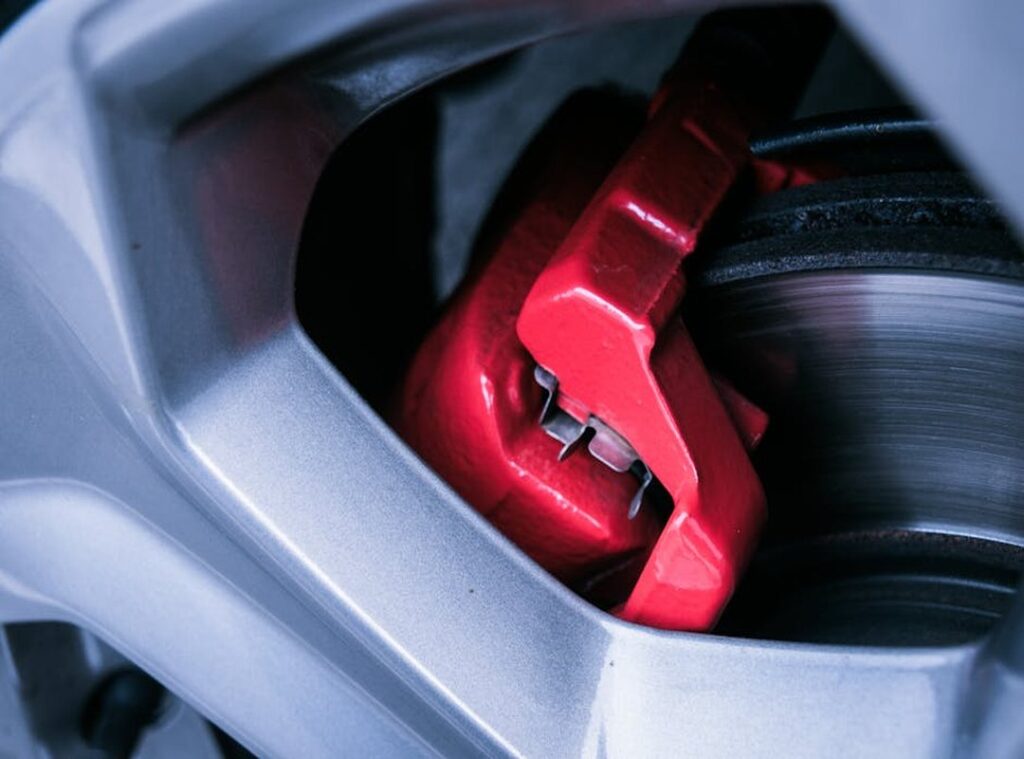
Low-frequency groans or thumps might signal caliper issues, like sticking pins or piston problems. Warped rotors and loose parts also get noisy. Identifying the specific sound keeps you from tossing money down the drain with unnecessary parts replacements.
Who wants that?
For the gearheads out there, this isn’t just about fixing a problem; it’s about mastering your machine. Ever wondered about other maintenance tips? Dive into car battery tips for longevity.
It’s all part of maintaining that smooth ride. So next time your brakes start talking, you’ll know what they’re saying. And how to answer back.
Simple, right?
First Line of Attack: Important Maintenance & Cleaning Techniques
You hear that? Those squeals and groans when hitting the brakes? It’s annoying, right?
But before you dive into costly repairs, let’s talk basics. Basic maintenance is often overlooked but can be a game-changer for noise issues.
Brake Cleaning is your first step. Grab a specialized brake cleaner and spray away the dust and grime from pads, calipers, and rotors. Don’t miss those caliper slide pins. They need to move smoothly. You’d be surprised how much quieter your ride could be.
Next up, anti-squeal solutions. Ever tried applying anti-squeal compounds or shims? They help dampen those irritating vibrations.
Just put them on the back of the brake pads. It’s simple but effective.
Let’s not skip lubrication. Use high-temp brake grease on key points like caliper slide pins, backing plate contact points, and sometimes piston faces (go easy here). Only use brake-specific lubricants.
Regular grease won’t cut it.
In my experience, these steps are the first line of defense. They’re not a guaranteed noisy brakes solution, but they often do the trick. Maintenance isn’t just a chore; it’s a smart move.
Give it a try. What have you got to lose?
Strategic Upgrades: Choose the Right Brake Components
Ever dealt with noisy brakes? It’s annoying, right? The solution often lies in choosing the right components.
Let me break it down for you.
Brake pads matter. Ceramic pads are my go-to for a quiet ride, low dust, and solid performance for everyday driving. But if you crave stopping power (and don’t mind a bit of noise), semi-metallic pads might suit you better. They’re great for performance but can be a bit noisy.
Organic pads? Quiet and gentle on rotors, but they sometimes fall short in performance. Match your pad choice to your driving style and vehicle use.
Trust me, it makes a difference.
It’s a trade-off worth considering.
Rotors also play a role. Warped or grooved rotors scream noise issues. Plain rotors offer quieter operation, while drilled or slotted ones handle heat well but might add a bit of noise.
Oh, and don’t forget the hardware. Replacing clips, springs, and shims with every pad change is key. It ensures proper fitment and reduces vibration.
For more takeaways on tackling brake noise, check out squeaky brakes: causes and solutions. That’s your noisy brakes solution in a nutshell.
Brake Checks: The Quiet Fix
Let’s talk about the noisy brakes solution nobody thinks about. Calipers. When calipers act up, they can cause uneven pad wear, leading to constant annoying noise.
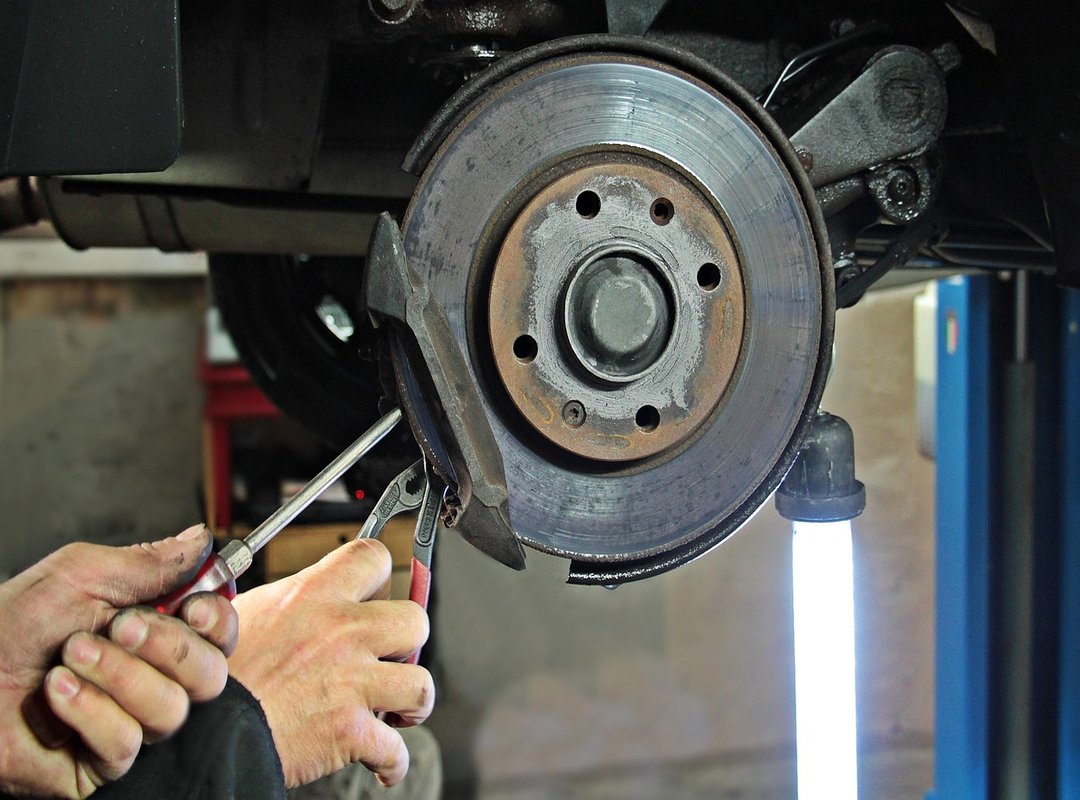
Check for seized or sticking pistons. If they’re not moving smoothly, you’ll end up with that irritating screech.
Guide pins are another sneaky culprit. They need to be rust-free and well-lubricated. If they’re not sliding freely, your pads won’t retract properly from the rotor.
That means more noise. And nobody wants that.
Brake fluid is the unsung hero here. Old, contaminated fluid can mess with caliper response, causing issues down the line. It’s not directly causing noise, but it affects the entire system’s health.
Regular flushes keep everything running smoothly. Think of it as a spa day for your brakes.
Now, mounting and torque. If brake components aren’t torqued to spec, expect vibrations. Vibrations mean noise.
It’s that simple. Double-check everything: calipers, brackets, wheels. Make sure they’re all tight and up to manufacturer’s standards.
Does this sound overwhelming? It shouldn’t. Once you know what to look for, it’s all about routine checks.
Keep these tips in mind, and your brakes will thank you. Slowly.
Advanced Strategies: When to Call in the Pros
Let’s talk about noisy brakes. If you’re like me, the constant squeal drives you nuts. Here’s a plan: brake bedding.
This isn’t just some fancy term. It’s a process to properly break in new pads and rotors. Why bother?
It creates an even transfer layer, optimizing performance and cutting down on noise.
Start by doing a series of moderate stops from about 35 mph to 10 mph. Repeat this a few times, then let the brakes cool. Simple, right?
But key.
Now, if noise persists, you might need more than just elbow grease. Consider specialized anti-vibration pastes. They do wonders for stubborn cases.
Also, check your wheel bearings or suspension components. Sometimes they mimic brake noise, confusing even the best DIYers.
But let’s be real. Sometimes you need a pro. When?
If your braking performance is compromised or strange noises persist after your attempts. Professional diagnostics can save you headaches, especially with complex issues like ABS problems.
And while you’re at it, don’t forget about regular maintenance. Curious about how often you should change your engine oil? Check out engine oil change frequency.
It’s all about keeping your vehicle in top shape.
Silence the Noise and Drive with Confidence
You now know how to tackle those frustrating noisy brakes. You’ve learned about diagnosis and solutions that can restore peace to your ride. Annoying brake noise isn’t just irritating; it can jeopardize your safety.
By applying the tips I shared, you can achieve a quieter driving experience.
So, what are you waiting for? Inspect your brakes today and set up the fixes needed. If the problem persists, consult a trusted professional.
Don’t let noise ruin your drive. Take action now to find your noisy brakes solution and enjoy a smoother ride. You deserve it.
 Sylrith Marrowlance is a contributor at FMB Motor Racing who specializes in racing highlights, performance vehicles, and automotive technology trends. Passionate about motorsport culture and engineering advancements, he creates engaging articles that keep readers informed about the latest developments in the racing world.