A reliable power source is key for your vehicle, yet many overlook it. I’ve seen the frustration of a dead battery at the worst times. It’s inconvenient and can even be dangerous.
I know vehicle mechanics inside and out. I’ve spent years digging into the details of car battery maintenance and how it affects your ride.
This article gives you actionable takeaways based on real-world experience and current industry standards. I’m not here to fluff things up.
You’ll get a step-by-step guide to proactive vehicle power source upkeep.
By the end, you’ll know how to extend the life of your electrical system. You’ll feel confident tackling maintenance tasks that keep your vehicle running smoothly.
No more unexpected breakdowns or surprises. I promise you’ll gain practical strategies that make a real difference. Let’s get started on ensuring your vehicle is always ready to hit the road.
Power Trio: Battery, Alternator, Starter
Understanding your car’s power system is like knowing the lead actors in a film. The 12V battery kicks things off. It provides the initial cranking power, stabilizes voltage, and acts as a temporary power reservoir.
It’s the spark that gets everything moving. Without it, you’re going nowhere fast.
Then there’s the alternator. This guy converts mechanical energy into electrical energy. It recharges the battery and powers the vehicle’s systems while the engine’s running.
Think of it as the unsung hero keeping the lights on and the music playing.
Finally, the starter motor. It’s a high-torque electric motor that engages the flywheel to crank the engine. It’s not glamorous, but without it, your car’s just a big, expensive paperweight.
These components work in harmony, a true symbiotic relationship. If one fails, the whole system can grind to a halt. That’s why a foundational understanding of this system is the first step in effective car battery maintenance.
You wouldn’t want to be stuck on the side of the road, right?
And hey, while you’re at it, check out our diagnosing noisy brakes guide. It’s worth a read if you care about stopping as much as going.
Battery Basics: Clean, Test, Charge
Car battery maintenance is not rocket science, but it demands respect. First, safety gear is a must. Trust me, you don’t want battery acid on your skin.
Disconnect the negative cable first. Why? Because it’s like a reset button for safety.
Cleaning terminals is straightforward. Use a wire brush to scrub away corrosion. It’s satisfying in a weird way.
Then, apply anti-corrosion spray. This stuff is magic for longevity.
Testing battery health? Easy. Grab a multimeter.
With the engine off, check static voltage. It should read around 12.6 volts. Cranking voltage comes next (while starting).
It should not dip below 9.6 volts. Finally, check charging voltage with the engine running. Aim for 13.7 to 14.7 volts.
Charging techniques vary. Trickle chargers are for infrequent use. Smart chargers?
They’re for deep discharge. Know your charger!
Serviceable batteries need electrolyte checks. Use distilled water for top-ups. Tap water is a no-go.
It’s about keeping the battery healthy.
These steps are proactive measures. They prevent failures and keep your vehicle’s power source in top shape. It’s like giving your car a little love.
And who doesn’t love a reliable ride?
Troubleshooting: Identifying and Fixing Electrical Issues
Electrical gremlins in your car can be a real headache. Ever experience slow cranking or hear clicking sounds with no start? It’s frustrating.
Often, these are symptoms of a dying power source. Your lights dimming or dashboard indicators acting up? Classic signs.
You need to figure out if it’s the battery or the alternator. Try this: observe the lights. If they’re dim with the engine off but brighten up when it’s running, the alternator might be the culprit.
If not, the battery could be toast. What about the starter? Grinding noises or just a single click when you turn the key suggest it’s not well.
And that battery warning light on your dashboard? It’s usually screaming “alternator problem!” Don’t ignore it. Take action immediately to avoid getting stranded.
For a pro tip, if you’re serious about car battery maintenance, check out a complete guide to battery maintenance. It’s got the granular details.
Start with a logical flow: look at obvious symptoms, then dig deeper. Knowledge is power, literally. Keep your vehicle’s power source in check.
Longevity Strategies: Preventative Measures for Optimal
Car battery maintenance isn’t just about keeping your vehicle running. It’s a lifeline. Start with regular visual inspections.

Look for loose cables, frayed wires, and cracked battery casings. Don’t forget to check for any signs of leakage. You don’t want surprises on the road.
Driving habits matter too. Frequent short trips? They prevent your battery from fully charging.
That’s why I recommend occasional longer drives. They keep your battery healthy. It’s like giving it a chance to stretch its legs.
Now, parasitic draws might seem like a mystery. Leaving your lights on or using too many aftermarket accessories can drain your battery over time. So keep an eye on those.
And let’s talk about the weather. Extremes in temperature? They accelerate battery degradation.
I’ve found that battery blankets can be a lifesaver in cold climates. They prevent freezing damage.
Scheduled professional electrical system checks are key. They’re a key part of full vehicle power source upkeep. And while you’re at it, don’t forget to check the engine oil change frequency.
It’s equally key.
Why take chances? A little proactive care can make all the difference. Are you up for it?
Specialized Upkeep: Cold Weather, Storage, and Modern Systems
Winter’s a beast, isn’t it? Cold snaps can drain your car battery faster than you think. I always make sure my battery’s fully charged before the temperature drops.
You might want to consider a higher CCA battery. It cranks better in the cold. And let’s not forget engine block heaters (they’re lifesavers in freezing weather).
Now, if you’re storing your vehicle long-term, don’t just park and forget. Disconnect the battery. Use a smart trickle charger to keep it alive.
Keep your tires inflated, too. It’s one less thing to stress about when you finally take your car out for a spin.
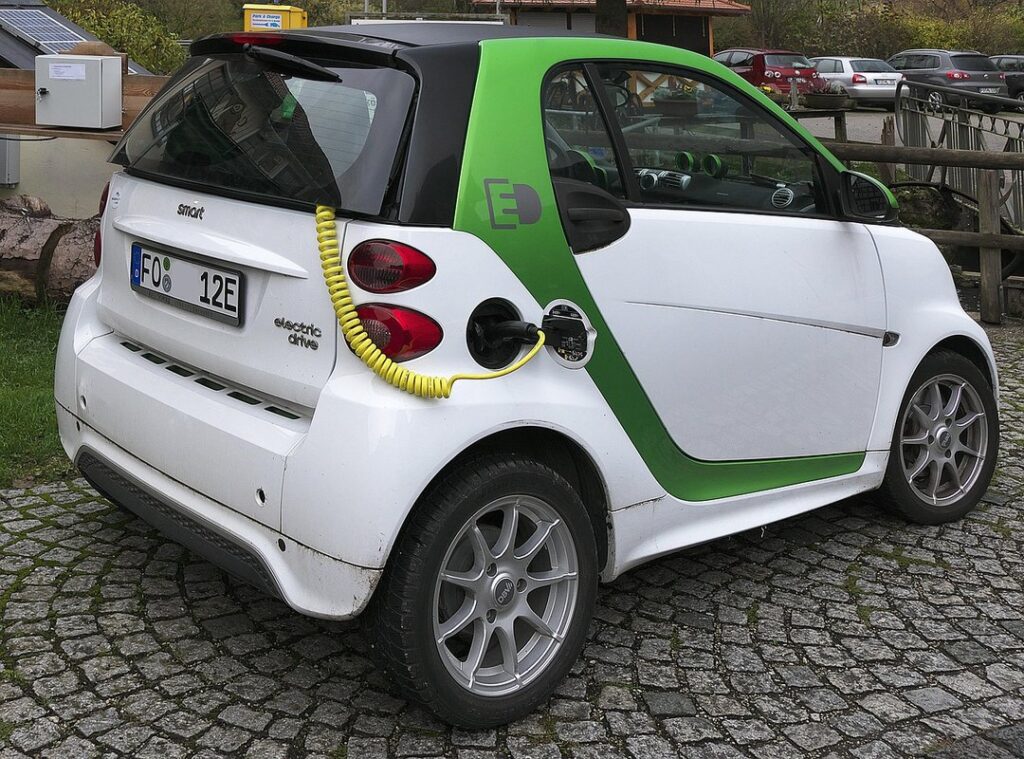
Hybrid and EV owners, listen up. Your vehicles have complex high-voltage systems, not just the regular 12V auxiliary battery. This isn’t DIY territory. High-voltage battery maintenance?
Leave it to certified technicians. They have the specialized tools you don’t.
And don’t ignore your car’s onboard diagnostics (OBD-II). It’s like your vehicle’s personal doctor. A professional scan can uncover issues before they snowball.
Don’t wait for the check engine light to become a disco ball. Stay proactive with car battery maintenance, and your ride will thank you.
The Road Ahead for Your Vehicle
You now have the tools to tackle car battery maintenance confidently. It’s all about avoiding the stress and costs of sudden power failures. A little effort goes a long way.
Regular checks and informed upkeep prevent issues before they arise. Don’t wait for a dead battery to realize the importance of proactive care. Schedule your next maintenance check today.
Consult a professional if you’re facing complex issues. Your vehicle deserves it. Make this a priority.
Trust me, the peace of mind and reliability you gain will be worth it. Take control of your vehicle’s future now.
 Lirona Vaxhaven contributes informative content to FMB Motor Racing with a focus on motorcycle mechanics, maintenance advice, and rider-focused vehicle care. Dedicated to making technical topics easier to understand, she creates accessible guides that help enthusiasts improve their knowledge of bike performance and long-term maintenance.