If you’re tired of watching your tires wear out too soon, you’re not alone. Many people overlook tire care longevity and end up paying for it in the long run.
I get it. Life gets busy, and tire maintenance isn’t always top of mind. But trust me, a little attention now saves you headaches and cash later.
You want your tires to last, right? Who doesn’t? I’ve gathered solid tips that will help you maximize the life of your tires.
You’ll learn practical techniques that fit into your routine. This isn’t fluff; this is real advice based on experience and industry know-how.
By the end of this article, you’ll have a clear understanding of how to keep your tires in peak condition.
Say goodbye to premature wear and tear. It’s time to get serious about tire care and make those tires work for you.
The Foundation: Achieving Optimal Tire Pressure
Let’s cut the fluff: correct tire pressure is the backbone of tire care longevity. It’s the single most important factor. Why?
Because it impacts wear, safety, and fuel economy. If you’re not checking your tire pressure regularly, you’re driving blind.
First, you need a reliable gauge. Don’t trust those gas station ones; they’re often wrong. Check your tires when they’re cold.
Hot tires give false readings (and who wants that?). Consistency is key. Every month or before a long trip is a good rule of thumb.
Finding the correct pressure isn’t rocket science. Check the vehicle door jamb sticker or your owner’s manual. Never use the maximum pressure on the tire itself.
That’s a fast track to disaster.
Under-inflation is a sneaky enemy. It increases rolling resistance, causes excessive heat, and leads to shoulder wear. Over-inflation?
That’s no picnic either. It reduces traction, makes for a harsh ride, and creates center tread wear.
Consider how this ties into winterizing your car. It’s all connected. If you don’t maintain optimal pressure, you’re risking more than just a flat tire.
You’re risking safety and efficiency. Don’t leave it to chance. Winterizing your car is just one part of the equation.
Ensuring Even Wear: Tire Rotation and Balancing Best Practices
Let’s talk tire rotation. It’s not just a fancy term. It’s key for keeping your tires wearing evenly, which means they last longer.
You want tire care longevity, right? Simply put, rotating tires means swapping them from one position to another. For front-wheel drives, the front tires move to the back, and vice versa.
Rear-wheel drives do it differently, as do 4x4s.
How often should you do this? Every 5,000 to 8,000 miles is a good rule of thumb. Some folks do it with every oil change, which makes sense if you’re already at the shop.
Now, onto tire balancing. Ever feel your steering wheel shake at certain speeds? That’s a sign your tires might need balancing.
It stops vibrations and helps prevent uneven wear. Plus, it saves your suspension from taking a hit.
Sometimes I wonder, why skimp on this? Combining rotation and balancing is smart. It maximizes benefits, and frankly, a professional should handle it.
They know what they’re doing.
Pro tip: keep an eye on your tires. Uneven wear or vibrations mean it’s time for action. Don’t ignore these signs.
Keep your ride smooth and your tires healthy.
Steering True: The Importance of Wheel Alignment
Ever felt your car pulling to one side like it’s auditioning for a Fast & Furious movie? That’s your wheels begging for alignment. Wheel alignment isn’t some fancy mechanic jargon.
It’s just ensuring your wheels are parallel to each other and perpendicular to the ground. This simple tweak is key for tire care longevity. Why?
Because poor alignment eats tires faster than you can say “how long do tires last? important.”
Camber, caster, and toe. Sounds like a law firm, right? But these are the three main alignment angles.
Camber is the tilt of the wheel, affecting stability. Caster, the angle of the steering pivot, keeps steering straight (or not). Toe is how your wheels point inward or outward.
Get these wrong, and you’re buying tires more often than new shoes.
Practical scenarios? They’re everywhere. Hit a pothole the size of a crater?
Get an alignment check. New tires? Ditto.
If your car’s pulling harder than a football team, don’t ignore it. Alignment issues often sit slowly until they cause real damage (or cost).
Pro tip: Make aligning your wheels a regular pit stop. It’s proactive and saves cash down the road.
Vigilant Checks: Tire Maintenance Essentials
Let’s get straight to it. Regular checks are key for tire care longevity. Don’t wait for a problem to surprise you on the road. I mean, who wants a blowout in the middle of nowhere?

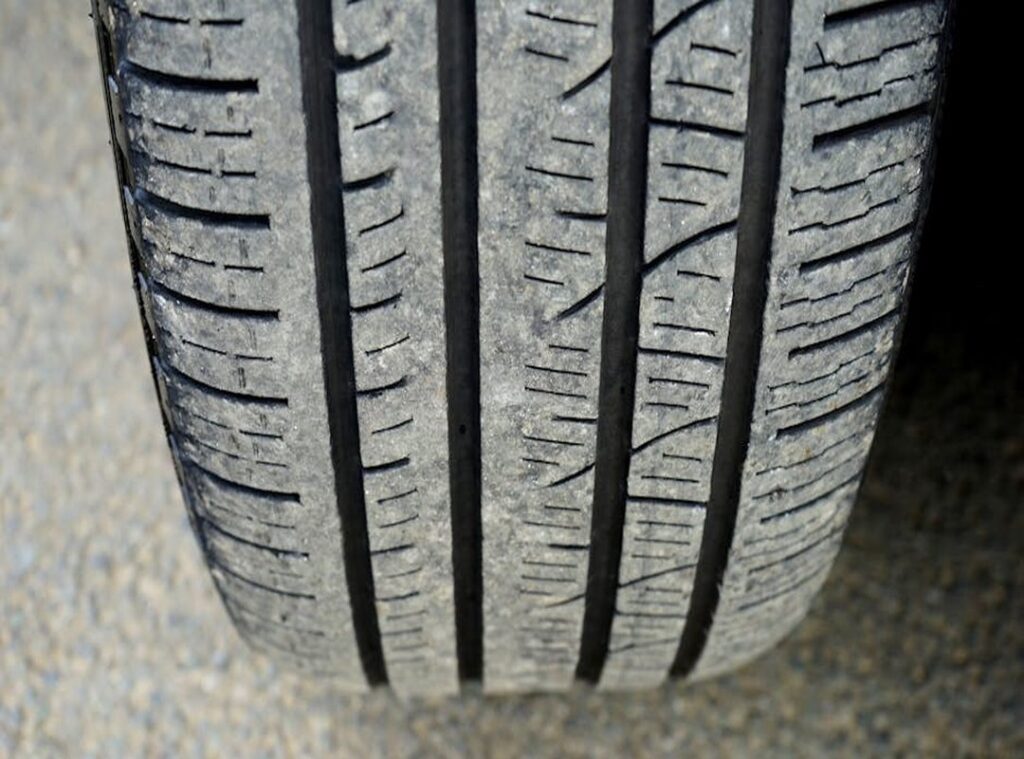
First, inspect your tires for wear and damage. Look for cracks, bulges, and other scary signs. You know, the kind that screams, “Replace me!” If you spot anything odd, take action.
Tires don’t fix themselves.
Now, tread depth. It’s non-negotiable. Grab a penny (yes, the Lincoln one) and stick it into the tread.
Sidewalls are next. Check them for any cuts or punctures. If you find a nail or screw lodged in there, don’t ignore it.
If you see Lincoln’s entire head, it’s time for new tires. Legal minimum depth matters. Not just for safety, but for the law.
Get it fixed before it becomes a bigger problem.
One more thing. Know your tire’s age. DOT codes aren’t just for show.
Tires age out even if the tread looks fine. Rubber degrades, and you don’t want to risk it. Speaking of risks, ever heard strange noises from your car?
Check out this common car noises guide for more takeaways.
Beyond the Basics: Driving Habits and Smart Storage
Want your tires to last? It’s not just about pressure checks. How you drive plays a big role.
Aggressive moves like fast cornering or hard braking? Not a friend to tire longevity.
But let’s talk hazards. Those potholes? They’re waiting to mess up your alignment.
Debris too. Avoid them like the plague. Your tires will thank you.
Now, about storage. Seasonal tires need a little TLC. Store them in a cool, dry, dark place.
Never forget: off the ground is best. Keeps UV damage and flat spots away. Simple, right?
Knowing your tire load capacity and speed rating is key too. Overloading? Bad idea.
It stresses the tires and cuts their life short. Give your tires a good clean now and then. Brake dust and road salts?
They’re like kryptonite for rubber.
Pro tip: Regular cleaning keeps them fresh. Ever thought about why you scrub the rims? Same deal.
It’s all about making them last. So, let’s make tire care longevity your mantra. Sound good?
It’s worth it. These habits, they’ll save you cash and hassle. Who doesn’t want that?
Keep Your Tires in Top Shape
Tire maintenance isn’t optional. It’s important for safety and your wallet. Neglecting tires costs you money and puts you at risk.
By following the steps I’ve outlined (checking) pressure, rotating tires, aligning, inspecting, adjusting driving habits, and proper storage (you) can boost tire care longevity a lot.
Don’t wait for a blowout or a costly repair. Make these maintenance tips a regular part of your vehicle care routine.
Schedule professional tire checks regularly. Consult with trusted automotive experts for any concerns.
Take action now. Your safety and savings depend on it. Call today and make sure your tires are ready for the road ahead.
 Grythara Cloud is the founder of FMB Motor Racing, a platform created for passionate auto and moto enthusiasts seeking informative coverage on racing culture, vehicle performance, and modern motorsport trends. With a deep appreciation for speed, engineering, and automotive innovation, Grythara built the platform to connect readers with practical insights and exciting developments from the racing world.