There’s nothing quite like the unsettling feeling of hearing an unfamiliar sound from your vehicle. It makes you wonder, what’s wrong now?
Vehicle sounds are often warning signs. But deciphering their meaning can be confusing. Ignoring these signs can lead to serious issues.
I’ve spent years diagnosing and maintaining all sorts of vehicles. I know what these noises really mean.
In this article, I’ll help you identify common car noises, understand their potential causes, and know when to take action.
You’ll learn to trust your instincts about what your vehicle is telling you.
My takeaways come from hands-on experience with countless vehicles and drivers. I’ve seen it all.
With the right knowledge, you can tackle these problems head-on.
So and make sense of those strange sounds. I promise you’ll leave with a better understanding of how to keep your vehicle running smoothly.
Shhh! Your Car is Talking
Isn’t it wild how cars speak to us through noises? These aren’t just random sounds. They’re symptoms begging for attention.
You ever hear a squeal when braking? That’s usually friction at work. Grinding?
That’s metal-on-metal (a) clear call for help. And hissing, well, leaks are the usual suspects there.
First thing’s first: figure out when you hear these sounds. Is it during braking, turning, or accelerating? Next, pinpoint where it’s coming from.
Under the hood or near the wheels? What does it sound like? A tap, clunk, or whine?
Creating a mental checklist (or writing it down if you’re like me) helps.
Let’s dig into these sounds. Squealing often means the brake pads are wearing thin. Grinding?
That’s a big red flag (deal) with it before it costs you a fortune. Clunking could mean suspension issues. Tapping might be low oil, while whining can often point to transmission issues.
Ignoring these noises can turn manageable repairs into wallet-busting nightmares.
Why is early detection key? Letting these noises slide could lead to bigger problems (and bigger expenses). Some sounds even scream “stop driving immediately.” Grinding brakes, for instance, can be dangerous.
So what should you do? If you’re unsure, get your car checked. Better safe than sorry, right?
Ignoring warning sounds isn’t just risky, it’s borderline reckless. Pay attention to these alerts and save yourself from future headaches. Remember, common car noises aren’t just an inconvenience.
They’re your car’s way of saying, “Listen up!”
Squeals, Grinds, and Growls: Decoding Car Noises
Ever heard your car hum or squeal and ignored it, hoping it would go away? You’re not alone. We tend to brush off those common car noises until they’re impossible to ignore.
But, trust me, ignoring isn’t a solution.
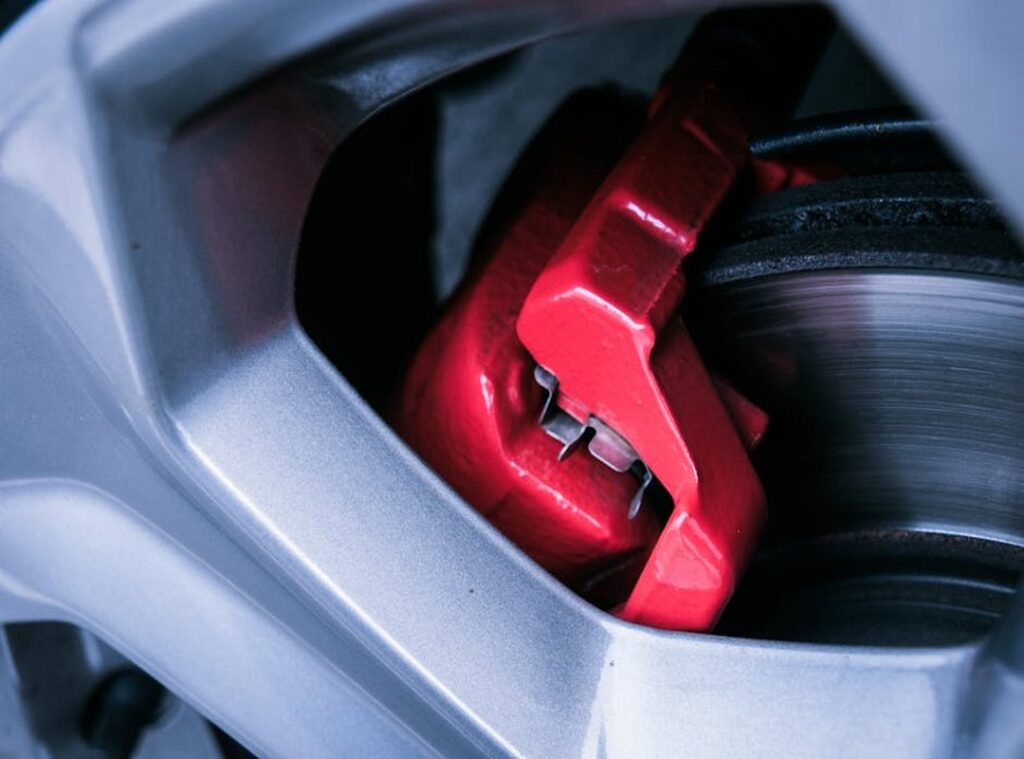
Squealing during braking? That’s your brake pad wear indicator screaming for attention. A constant squeal while driving?
It might be a stuck brake caliper or maybe even a worn wheel bearing. And if it’s a loose accessory belt causing the noise, be ready for it to escalate at the worst time.
Grinding sounds, though, those are a bit more urgent. When your brake pads wear down to metal, you’ll hear grinding when you hit the brakes. It’s a sound you can’t afford to dismiss.
Grinding during turns? Could be your wheel bearings or CV joints. Both can lead to costly repairs if not checked early.
Then there’s the growl or hum that dances with speed. It often hints at a worn wheel bearing or uneven tire wear. It’s subtle, sure, but it gets worse if ignored.
So what can you do? Check tire pressure and scan for obvious issues. If noises persist, it’s time to visit a pro.
And while you’re at it, brush up on maintenance with our Diy Oil Change Guide. Keep those car noises in check. Your wallet will thank you.
Hisses, Taps, and Rumbles: Engine and Exhaust System Warnings
Have you ever heard a strange noise from under your car’s hood and felt a chill run down your spine? I sure have. to these common car noises and why they should never be ignored. First, hissing sounds.

If you hear a hissing noise while driving, it’s likely a vacuum or coolant leak. Seriously, it could even be the air conditioning system acting up. And if it happens after you turn the engine off?
That’s often your cooling system crying for help.
Now, what about tapping or clicking? A light tap when the engine’s cold says low oil or a valve lifter issue. We’ve all skipped an oil change.
But if it’s louder and persistent, think connecting rod bearings or a piston slap. That’s not just annoying. That’s expensive.
Does your engine sound more like a drum line than a smooth purr?
Lastly, those rumbling or roaring sounds. Hear it when you accelerate? That’s usually an exhaust leak or a broken catalytic converter.
Yikes, right? A deep rumble from the engine might mean serious bearing issues. Ignore it, and you’ll regret it.
So, what should you do? Regularly check those oil levels and listen for changes when the car idles. For more tips on common car noises and what they could mean, definitely check out the linked article.
In the world of car maintenance, proactive care beats panicked repairs every time. Don’t wait until you’re stranded in some parking lot with a smoking hood.
Clunks, Pops, and Whines: What Your Car’s Trying to Say
Ever heard those unsettling common car noises (clunks,) pops, or whines (while) driving? Yeah, me too. They make you wonder if your car’s about to fall apart, right?
Usually, these sounds signal issues with suspension or drivetrain parts. Let’s start with clunking. If you hear it over bumps, you might be dealing with worn shocks, struts, or ball joints.
Maybe even loose sway bar links. But if it’s during gear shifts, check the transmission mounts or universal joints.
Now, let’s talk pops and clicks. Turning the steering wheel and hearing a pop? Likely worn CV joints in your front-wheel-drive car.
That same sound over bumps? Probably related to those clunky suspension parts.
Then there are those annoying whining noises. Hear a whine that changes with speed? Your differential or transmission might be at fault.
Whining when turning the wheel? Check your power steering fluid (it’s) probably low. And if it’s not fluid, your power steering pump might be failing.
Before you panic, do a quick visual check for leaks or loose bits. Find something loose? Fix it.
Hear these noises? Don’t ignore them. They can lead to bigger problems or safety issues.
Pro tip: If you’re tackling these issues in the winter, consider winterizing your car to prevent further headaches. Keeping an ear out for these sounds can save you time and money. So, what’s your car telling you?
Listen closely, and act fast.
Don’t Ignore Vehicle Warning Signs
Ignoring unusual common car noises can be a costly mistake. It leads to expensive repairs and safety risks. I’ve seen it too often.
Understanding these sounds puts you in control. You can tackle minor issues before they become serious.
Don’t wait to get a professional diagnosis if you hear something off. Early detection is key to keeping your vehicle reliable and your wallet intact.
Regular maintenance is your best friend. Take action now to prevent future headaches.
Call a trusted mechanic today. Your vehicle’s health depends on it. Don’t let a small noise turn into a big problem.