
Winter driving can be a nightmare. Ice, snow, and freezing temperatures turn a simple trip into a potential disaster. That’s why winterizing your car isn’t just a good idea; it’s important for safety and performance.
You don’t want to be stuck on the side of the road because you skipped a few simple steps.
I’ve been there, and trust me; it’s not fun.
In this article, I’ll share practical tips that you can follow to prepare your vehicle for winter conditions. I’ve consulted experts and drawn on my own experience to give you reliable advice.
You’ll learn about the key checks and maintenance tasks that can save you headaches later.
By the end, you’ll know exactly what it takes to keep your vehicle running smoothly all winter long.
Get ready to face the winter with confidence.
Winter’s Wrath: Why Preparation Matters
Winterizing your car isn’t just a suggestion; it’s a necessity. Cold weather can turn your reliable ride into a stubborn beast. Engines struggle, batteries die, and tires lose grip.
Ever tried to start a car in freezing conditions? It’s like asking a cat to take a bath.
Icy roads are a menace. You think you’re in control. Until you’re not.
Black ice, the invisible villain, waits to send you spinning. Low visibility? That’s a given.
Fog and snow can blindside you in a blink.
Now, let’s talk costs. Skipping winter prep is a gamble. Breakdowns aren’t just inconvenient; they’re expensive.
Towing, repairs, and the time lost all add up. And accidents? Those can be life-altering.
The National Highway Traffic Safety Administration warns that winter weather plays a role in nearly half a million crashes annually. Think about that.
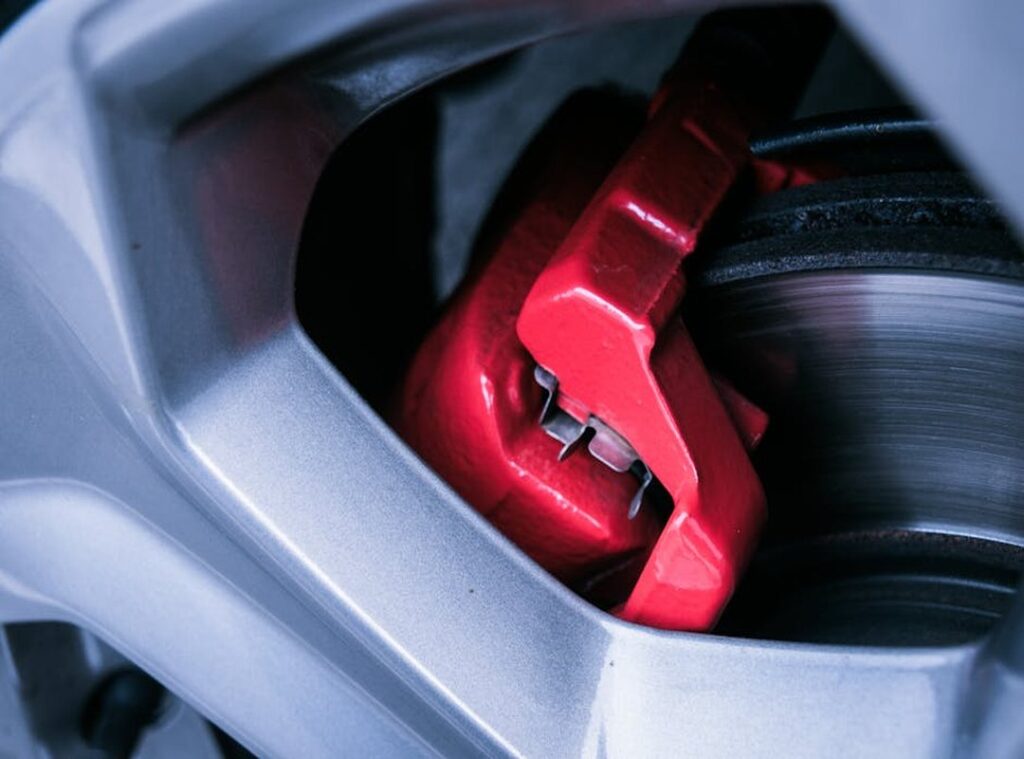
So why risk it? A little preparation goes a long way. Check your tires (all-season won’t cut it), your battery (don’t trust old ones), and your brakes.
Stock your trunk with essentials like blankets and a first-aid kit. Preparation isn’t just smart; it’s survival.
Don’t wait for winter’s first icy breath to take action.
Battery Basics: Winter Weather Woes
When the temperature drops, your car battery’s performance can take a serious hit. Cold weather thickens engine oil, making it harder for the battery to crank the engine. Ever tried turning over a frozen engine?
It’s not fun. Testing your battery’s health is key. I check mine with a multimeter.
It’s simple. Attach it to the battery terminals, and if it reads below 12.4 volts, you might have an issue. Clean and secure connections are important too.
Now, let’s talk maintenance tools. A battery terminal cleaner brush is a must-have. It removes corrosion, which can mess up your battery’s efficiency.
Keep a portable jump starter handy. You never know when the cold will zap your battery. If your battery fails in freezing weather, don’t panic.
Use your jump starter or call for roadside assistance.
Winterizing your car isn’t just about the engine. It’s about every component, including your tires. Speaking of which, tire care longevity is another topic worth exploring.
Pro tip: Park your car in a garage if you can. It keeps the battery warmer. Taking these steps helps your battery survive the winter chill.
Stay prepared, and your car will thank you.
Tires Matter: Winterize Right
Winterizing your car isn’t just about thinking of antifreeze and wipers. Tires are the real heroes (or villains) on icy roads. I’ve seen too many folks stuck because they didn’t check their tire pressure or tread depth.
Do you know your tires’ condition? Proper inflation saves you from those terrifying skids. And tread depth?
It’s key for grip.
Checking tire pressure is simple. Invest in a gauge. It’s worth it.
Cold temperatures can drop pressure faster than you’d expect. Scrambling for a pump mid-snowstorm isn’t fun. As for tread, a penny test works wonders.
Insert Lincoln’s head upside down into the groove. If you see his whole head, it’s time for new tires.
When should you switch to winter tires? I always say, do it when temperatures consistently drop below 45°F. Winter tires aren’t just about snow.
They handle cold roads better. Choose ones with the snowflake symbol for optimal performance.
Regular maintenance is key. Rotate tires, check alignment, and don’t forget to inspect for damage. For a full guide on how to winterize your car: fluids, wipers & safety, follow reputable sources.
Prevention beats regret. Every. Single.
Time.
Keep Your Car Ready for Winter: Fluids and Wipers
Winter’s harsh. Your car needs to be ready. First, let’s talk engine oil.

It thickens in the cold, which can really mess with your engine’s performance. Use oil with a lower viscosity rating. It’s less about what you think and more about what keeps your car from freezing up.
Antifreeze. Another key player in winterizing your car. It stops your engine from becoming a block of ice.
Check fluid levels using the dipstick and top off if necessary. Simple but often overlooked.
Windshield fluid should be rated for low temperatures. You don’t want it freezing mid-blizzard. Trust me, you’ll thank yourself later.
Now, wipers. They clear your view in the worst conditions. If they’ve been on your car for more than six months, replace them.
Get blades designed for winter. They’re sturdier and handle snow better.
Pro tip: Always check for common issues with your car, like strange noises. For a deeper dive, the common car noises guide is a goldmine of information.
So go ahead. Take these steps. Winterizing your car now saves headaches later.
Bold move: make it a habit before every winter hits.
Important Emergency Kit for Winter Driving
Winter driving can be brutal. But, being prepared is half the battle. So, what’s in my emergency kit?
First, blankets. If you’re stuck in the cold, staying warm is your top priority. A shovel might not be glamorous, but it’s a lifesaver when you’re buried in snow.
You’ll want to dig your way out, not wait for help.
Jumper cables? Absolutely. Cold kills batteries (trust me, been there).
And don’t skip on a flashlight with extra batteries – important for when it gets dark at 4 PM. Ever tried changing a tire in the snow? A good pair of gloves can make all the difference.
Throw in some non-perishable snacks and water too. You don’t want hunger adding to your woes while waiting for a tow.
Keep everything in a sturdy box or bag. You don’t want to hunt for a flashlight when you need it. And remember, your kit should fit your driving habits.
If you’re in snowy regions, add kitty litter for traction.
Winterizing your car isn’t just about engine prep. It’s about ensuring you’re ready when the road gets tough. So, is your kit ready?
Prepare for Winter Now
I can’t stress enough how key it is to prepare your vehicle for winter. Winterizing your car isn’t just a suggestion; it’s a necessity. We covered important steps like checking your tires, testing your battery, and ensuring your wipers work. These actions will keep you safe on slick roads.
Waiting until the weather worsens is a gamble you don’t want to take. Get ahead of winter’s challenges. Take action now and give your car the care it needs.
Don’t wait. Make that call or grab that toolkit today. Your safety on the road depends on it.
 Grythara Cloud is the founder of FMB Motor Racing, a platform created for passionate auto and moto enthusiasts seeking informative coverage on racing culture, vehicle performance, and modern motorsport trends. With a deep appreciation for speed, engineering, and automotive innovation, Grythara built the platform to connect readers with practical insights and exciting developments from the racing world.