Motorcycle enthusiasts often overlook one of the most key aspects of riding: motorcycle suspension systems. Have you ever felt your bike bouncing around on the road? It’s frustrating and can be dangerous.
The right suspension can change everything.
I’ve spent years learning about these systems, and I know what makes a good ride. A well-tuned suspension means better handling, improved comfort, and a safer experience on the road.
This article dives into the different types of suspension systems, their components, and how they work. I’ll break down the technical jargon so you can understand what really matters.
Whether you’re a seasoned rider or just starting, having a solid grasp of motorcycle suspension can boost your riding experience. You’ll learn how to maintain your system and what to look for when upgrading.
By the end, you’ll know how to make informed choices that keep your rides smooth and enjoyable.
Motorcycle Shocks: The Unsung Heroes
So, what exactly is a motorcycle shock absorber system? It’s not just a spring. It’s a powerhouse combo of spring and damper.
The spring handles the weight, while the damper controls the motion. Ever feel like your bike’s bouncing like a pogo stick? That’s when the damper steps in to calm things down.
No spring alone could manage that.
The primary role here is to smooth out those spring oscillations and keep the suspension in check. Without this system, you’d be dealing with a jarring ride. No one wants that.
But why does this matter? Comfort for one. Stability for another.
Motorcycle suspension systems are key for keeping your tires glued to the road. Ever hit a bump and felt like you were about to launch? A good shock system keeps that from happening.
It’s all about maintaining contact and ensuring safety.
In essence, these components work together to make sure your ride is smooth and secure. Without them, motorcycling would be a very different (and much rougher) experience.
Shocks and Awe: How They Work
Ever wondered how motorcycle suspension systems handle those annoying bumps? It’s all about damping. When your bike hits a bump, kinetic energy is converted into heat.
This process happens inside the shock absorber. Hydraulic fluid, or shock oil if you want to sound fancy, is key here. It gets forced through tiny openings in the damper.
Compression damping is key. It controls how fast the wheel moves up. Too little, and you’re bouncing all over.
Too much, and it’s like riding a brick. Then there’s rebound damping. It manages how quickly the wheel returns to position after a bump.
Without it, your tire could lose contact with the road.
Balancing compression and rebound is everything. It keeps the tire glued to the ground. This stops excessive bouncing or “packing down.” You don’t want to feel like you’re on a pogo stick, right?
Getting this balance right is the difference between a smooth ride and a shaky one.
So, next time you hit the road, thank those shocks for keeping you steady.
Motorcycle Shocks: A Bumpy Journey
I’ve explored motorcycle suspension systems for years. Let’s kick off with Twin Shock Systems. They’re a classic (think) of them as the vinyl records of the bike world.
Simple, with two separate shocks, they offer a certain charm. But their downside? Less precise damping and potential uneven loading.
Now, Monoshock Systems are the modern twist. They use a single shock with a linkage system. This allows for centralized mass and improved wheel travel.
You get better tuning options too. However, they’re more complex and might intimidate the DIY crowd.
Then there are Air Shocks. They use compressed air for damping, often combined with oil. Great for those who want lightweight, adjustable ride height.
But beware (temperature) changes can mess with them, and they might leak.
Different bikes need different setups. Cruisers might lean towards traditional twins, while sport riders prefer the precision of a monoshock. For more tips on keeping your bike in top shape, check out motorcycle chain maintenance.
Anatomy of a Shock: Key Components and Their Roles
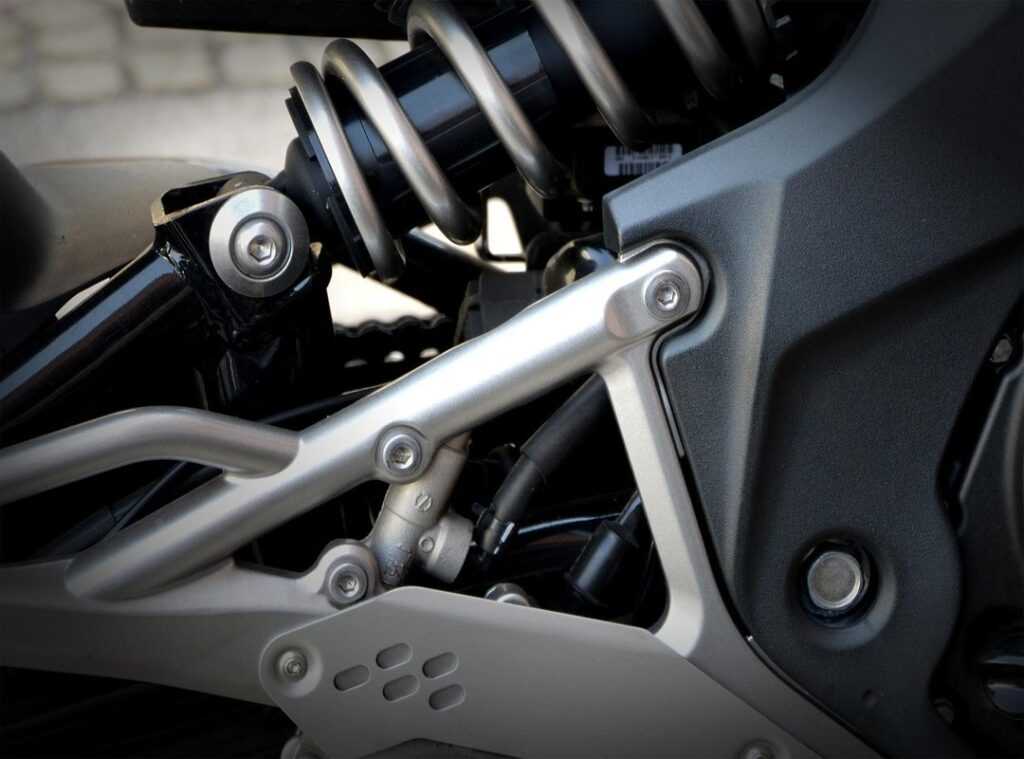
Motorcycle suspension systems are more than just springs and bolts. The spring holds the bike’s weight and stores energy. Linear springs compress steadily, while progressive springs stiffen as they compress, offering varied resistance.

Now, the damper body or cylinder. This is where the magic happens. It houses the hydraulic fluid and the guts of the operation.
Let’s talk about the piston and valving. As the piston moves through fluid, precisely engineered shims and orifices create resistance. This damping is key.
But it’s the shock fluid that plays a key role in heat transfer and consistent damping. Viscosity matters; it affects how the bike handles.
Don’t forget the shaft and seals. A chrome shaft ensures smooth piston movement, while seals keep leaks and contamination at bay. Some shocks come with a reservoir.
It manages fluid volume and dissipates heat, maintaining consistent damping under pressure. For more on this, check out this in-depth look.
Motorcycle Shocks: Keep Them Running Smoothly
Let’s face it, nobody loves dealing with motorcycle suspension systems when they fail. But regular inspection is a must. Check for oil leaks, corrosion, and anything bent.
If your ride feels like a pogo stick, it’s time to look closer. Dirt and grime? Not your shocks’ best friends.
Clean them up, or they’ll degrade faster than you can say “bumpy ride.”
Adjustments matter too. Preload, compression, rebound damping. These aren’t just fancy words.
They’re key for matching your bike to your weight and riding conditions. Ever feel like you’re bottoming out just hitting a bump? That’s a sign something’s off.
Recognizing wear early can save you from a rough ride later on.
When should you call in the pros? If you’re unsure, or it’s been ages since the last check-up, don’t wait. Service intervals aren’t just suggestions.
They’re about keeping you safe on the road. So, give your shocks the attention they deserve. Trust me, your ride will thank you.
When to Upgrade: Enhancing Your Ride with New Shocks
Let’s cut to the chase. Stock shocks can only take you so far. If you’re into aggressive riding or hauling heavy loads, they’re not going to cut it.
You need more from your motorcycle suspension systems.
Aftermarket shocks? Total game-changer. They offer improved handling precision and ride comfort.
Plus, they’re more adjustable and durable. Some even reduce weight. It’s like switching from a basic phone to a smartphone (but for your bike).
But don’t just jump in. Consider your riding style: Are you hitting the track or cruising off-road? Your weight and budget matter too.
You want shocks that fit your needs, not just your bike.
Choosing the right shock means picking reputable brands. Look for features like full adjustability and remote reservoirs. And don’t underestimate the value of professional consultation.
It’s key for fitment and setup.
Upgraded shocks can transform your motorcycle’s dynamics. They offer a more connected and confident ride. Explore more on engine tuning motorcycles for added performance tweaks.
Take Control of Your Ride
Understanding your motorcycle suspension systems is key to mastering your bike. An uncontrolled ride is no fun and can be downright dangerous. You deserve better.
Knowledge, maintenance, and upgrades can drastically improve your handling and comfort. So why wait? Inspect your current suspension today.
Adjust your settings for a smoother ride.
Consider upgrades that can raise your performance. Don’t let poor suspension hold you back.
Make your ride comfortable and safe. You’re just a few steps away from an exhilarating experience. Start now and feel the difference.
Your motorcycle deserves it, and so do you.
 Lirona Vaxhaven contributes informative content to FMB Motor Racing with a focus on motorcycle mechanics, maintenance advice, and rider-focused vehicle care. Dedicated to making technical topics easier to understand, she creates accessible guides that help enthusiasts improve their knowledge of bike performance and long-term maintenance.