People love vehicles, but many overlook the environmental impact of their passion. It’s not just about what comes out of the tailpipe; it’s the entire lifecycle of a car that matters. Most consumers don’t think about this.
I get it. The excitement of new tech and performance can overshadow the reality of sustainability auto manufacturing. But we can’t ignore the bigger picture anymore.
I’ve spent years analyzing automotive trends and the manufacturing process. I’ve seen high-performance innovations and sustainable practices side by side.
This article will break down the complex world of eco-friendly vehicle production. We’ll move past surface-level discussions and dig into genuine advancements that are reshaping the industry. You’ll discover real solutions that can make a difference.
Trust me, understanding these changes will make you a smarter consumer but also a more responsible enthusiast. So, let’s dive in and explore what a greener future looks like in vehicle manufacturing.
Beyond the Tailpipe: Eco-Friendly Production Explained
When we talk about eco-friendly vehicle production, we’re not just thinking about what comes out of the tailpipe. It’s about the entire lifecycle (raw) material extraction, manufacturing, assembly, distribution, usage, and recycling. Does that sound like a lot?
It is! But that’s what sustainability in auto manufacturing demands.
Lifecycle Assessment (LCA) is the real game-changer here. It looks at the full environmental impact of a vehicle, unlike just focusing on tailpipe emissions. Think of it as the full story, not just a chapter.
Why settle for a single metric when you can have the whole picture?
Let’s face it, energy consumption, water usage, waste generation, air pollution (beyond CO2), and resource depletion are huge. Each step in the production process has its footprint. That’s the truth, plain and simple.
Now, here’s the kicker: there’s a fine line between genuine eco-friendly efforts and greenwashing. Companies love to paint things green, but without transparent data and verifiable certifications, who do you trust?
Want to see how this aligns with Autonomous Driving Progress? Check it out. It’s all about the full picture, not just flashy headlines.
That’s what makes a difference in understanding sustainability in auto manufacturing.
The Building Blocks: New Materials in Auto Manufacturing
Sustainable materials are changing the game. Look at recycled steel, aluminum, and plastics. We’re not just talking about being green.
This shift saves energy and cuts down on waste too. When you think about bio-based composites like flax or hemp, it’s clear. These aren’t just buzzwords.
They’re practical.
Automakers are already on board. Did you know some are using recycled ocean plastics in production? That’s right.
It’s not just about aesthetics. It’s about performance and reducing reliance on virgin resources. Lightweight materials improve fuel efficiency and range.
Of course, there are challenges. New eco-friendly materials have to meet tough safety and durability standards. It’s not easy.
It’s a win-win.
Material science is pushing boundaries to make it happen. You might wonder how this plays into sustainability auto manufacturing. Well, it’s key.
This shift isn’t just a trend. It’s the future.
Pro tip: Keep an eye on plant-based foams. They could be the next big thing in interiors. As car makers innovate, we’ll see more examples of these materials in use.
Stay curious. This revolution in materials is just getting started.
Greener Factories: Driving Change with Technology
When we talk about sustainability auto manufacturing, we’re diving into a world where tech is king. Smart energy management systems are taking over. Why waste precious resources when machines can improve themselves?
It’s like they’re thinking for us (okay, not really, but close enough).
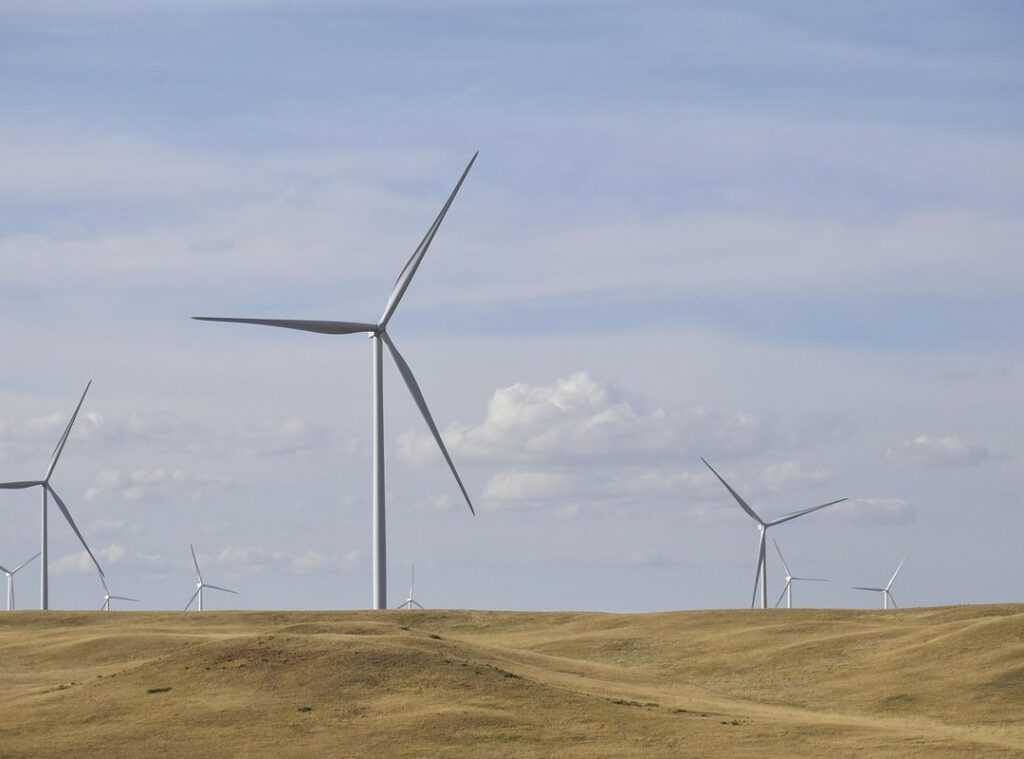
Ever heard of renewable energy integration in factories? We’re not just talking solar panels slapped on the roof. We’re talking wind turbines and geothermal energy.
Imagine harnessing the earth’s heat to power cars into existence. Sounds futuristic, right? Well, it’s happening.
Let’s not forget about lean manufacturing and Industry 4.0. These buzzwords aren’t fluff. They’re slashing factory waste, maximizing resources, and making operations sleek.
They’re the backbone of this green transformation.
Water conservation is another game-changer. Closed-loop systems are like magic, treating wastewater till it’s reusable. Then there’s rainwater harvesting (stuff of legends), capturing nature’s freebie.
Waste reduction? Factories now minimize scrap, engage in advanced recycling, and repurpose components. It’s fast.
It’s smart. Why trash what you can reuse?
These changes aren’t just greenwashing. They’re the real (and necessary) deal. The auto industry is evolving.
Are you ready to ride this wave of innovation?
Connecting the Dots: Optimizing the Eco-Friendly Supply Chain
Ever thought about the real backbone of sustainability in auto manufacturing? It’s the supply chain. You can’t just slap a green label on something and call it a day.

You need responsible raw material sourcing. Conflict-free minerals and ethical labor practices matter. They’re the heart of the whole operation.
Then, there’s logistics and transportation. Why move stuff inefficiently? Optimizing routes is key.
Using rail or sea transport helps too. And let’s not forget electric or hydrogen-powered fleets. They’re game-changers.
But hang on, there’s more. Supplier collaboration is key. You can’t run a clean operation if your suppliers aren’t on board.
Auditing ensures sustainable practices. It’s not just the primary manufacturer that needs to be green. Everyone in the chain must play their part.
Global supply chains are complex. They demand attention. Localization is trending.
Minimizing transportation footprints is key. It also boosts resilience. That’s a win-win.
Let’s face it: going local or regional isn’t just a buzzword. It’s a necessity.
Want to see real-world examples of these strategies? Just look at companies making strides in this area. They prove it’s not just possible, but important.
Sustainability starts here. It’s time we connect those dots.
The Green Shift: Innovations Shaping Tomorrow’s Production
Sustainability in auto manufacturing isn’t just a buzzword. It’s a shift in how we approach building and recycling vehicles. Take the circular economy.
This isn’t just a fancy term. It’s about designing cars for disassembly and reuse. Why toss when you can remanufacture?
Electric vehicle batteries are a huge part of this conversation. They’re a key component of any green revolution. But recycling them?
That’s a challenge we’re still grappling with. Advances are coming, but we’re not there yet. We need smarter processes (and maybe a bit of luck).
Regulatory pressures are also forcing companies to innovate. Consumers, you included, are demanding more transparency. If brands don’t adapt, they risk falling behind.
Supporting brands with verifiable eco-friendly practices isn’t just trendy. It’s necessary.
Pro tip: Look for companies embracing carbon capture in production. It’s not about being perfect. It’s about making progress.
And hey, data analytics in production? It’s making everything more fast. That’s the power of technology.
Curious about how AI ties into all this? Check out this ai automotive industry impact link. You’ll find it fascinating.
Your choices matter. As consumers, we’re not just buying products. We’re driving change.
Your Path to Greener Driving
You’ve come here to understand sustainability auto manufacturing. I’ve unpacked the complexities of eco-friendly vehicle production for you.
Now you see the effort behind green manufacturing. It’s not just about cars; it’s about respecting our planet.
You can appreciate innovation in automotive design while being environmentally responsible.
Stay engaged with automotive trends. Think about the full lifecycle impact of your next vehicle choice.
Do you want to make a difference?
Dive deeper into sustainable options. Explore what’s out there. Your choices matter.
Let’s drive towards a cleaner future together.
 Sylrith Marrowlance is a contributor at FMB Motor Racing who specializes in racing highlights, performance vehicles, and automotive technology trends. Passionate about motorsport culture and engineering advancements, he creates engaging articles that keep readers informed about the latest developments in the racing world.