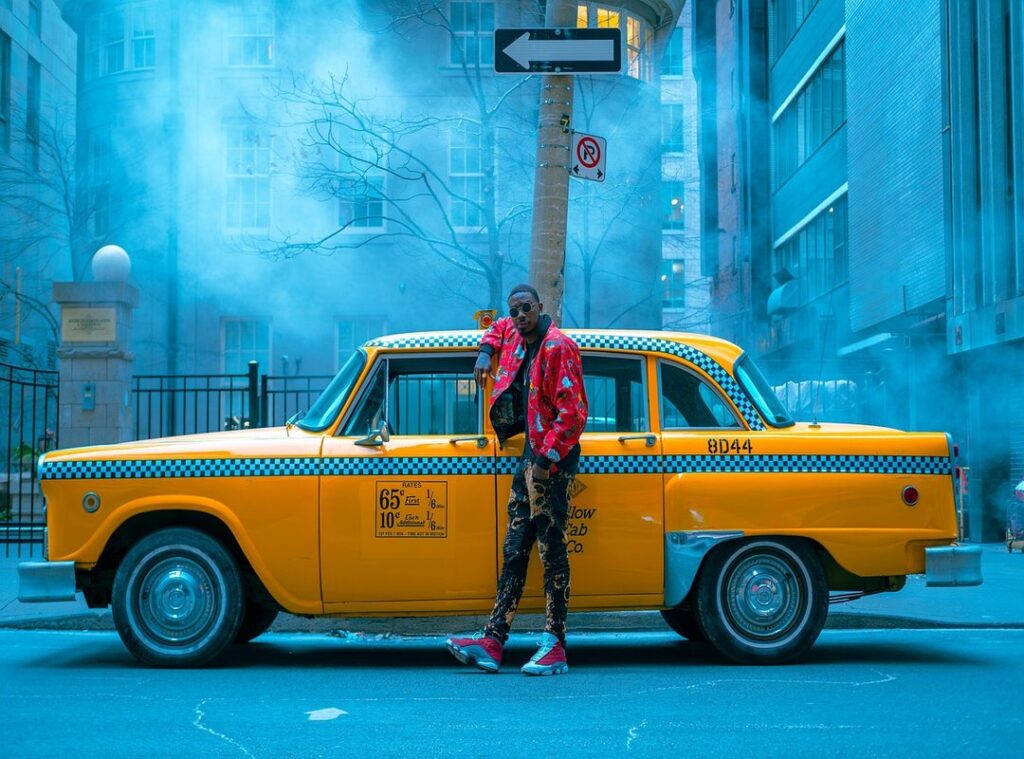

We all feel it. The pull of car culture classics that transcend transportation. They’re more than machines; they’re symbols of history and engineering excellence.
In this article, I’ll demystify what makes these vehicles special and why they command such respect.
With years of experience analyzing automotive trends and exploring vehicle history, I promise to offer an authoritative perspective. You want to understand the appeal of these iconic machines, right?
I’ll cover their historical impact and the culture that surrounds them. I’ve spent countless hours diving into racing highlights and the evolution of vehicle design.
This isn’t just about cars; it’s about a lifestyle, a passion shared by many.
I aim to give you a full look at automotive heritage classics. By the end, you’ll appreciate the depth of their legacy and what they mean to enthusiasts like us. So buckle up (let’s) hit the road together.
Defining Automotive Heritage Classics: Beyond Mere Age
When I talk about automotive heritage classics, I’m not just speaking about old cars. There’s a distinction to be made between those and vehicles with genuine historical significance. Heritage classics are defined by their impact.
Think of the Ford Model T. It wasn’t just another car. It was the first affordable automobile, revolutionizing personal transportation.
That’s heritage.
But age isn’t enough. Some cars stand out due to new design or technological feats. The Bugatti Type 35, for instance, was a marvel of engineering.
It dominated races in the 1920s with its lightweight construction and new design. Racing pedigree? That’s another tick in the heritage box.
Cars that left their mark on the track often become legends off it.
And let’s not forget rarity. When a vehicle becomes scarce, its value and status rise. A car’s story (its) cultural impact.
Also plays a role in its heritage ranking. These aren’t just vehicles. They’re icons of car culture classics, capturing the essence of an era.
So, what makes a classic truly heritage? Historical firsts, technological innovation, and competition success. That’s the recipe.
If it changed the world or it’s the last of its kind, it’s not just an old car. It’s a heritage classic.
Why Heritage Classics Matter: Timeless Appeal
Heritage classics aren’t just about horsepower or sleek designs. They’re a time capsule on wheels. You ever sit in one and feel like you’re holding history?
These cars aren’t just vehicles; they’re emotional connections across generations. They remind us of family road trips and the thrill of the open road. It’s car culture classics at its finest.
There’s something undeniably special about owning a piece of history. Rarity and provenance boost their financial value. Ever notice how a classic car’s price skyrockets when it’s been owned by a famous figure?
It’s not just about the car itself but the stories it tells.
Craftsmanship? Don’t even get me started. These classics are marvels of engineering excellence, a stark contrast to today’s mass-produced vehicles.
Each part handcrafted, each detail considered. It’s like comparing a Rembrandt to a factory print.
Cultural significance plays a huge role too. Think about all the times you’ve seen these classics in movies or on TV. They captivate us, make us dream of bygone eras.
And if you’re planning a trip, consider your road trip essentials. Who wouldn’t want to hit the road in style, feeling the nostalgia of a true classic?
Iconic Eras and Models: A Journey Through Automotive History
When you think of car culture classics, certain eras stand out. The Pre-War Grandeur, for example, has the 1936 Bugatti Type 57SC Atlantic. This car screams elegance and engineering brilliance (even if it looks like something out of a noir film).
Its design was ahead of the curve with its sleek lines and new aerodynamics. Then came the Post-War Innovation era, where the 1948 Tucker 48 emerged. It was a car full of wild ideas like a third headlight that turned with the steering wheel.
Who thought that was necessary? Yet, its futuristic design paved the way for modern safety features.
The Muscle Car Golden Age brought us beasts like the 1969 Dodge Charger. Those curves and raw power captured the American spirit perfectly. It’s almost like a time machine to the days of rock ‘n roll and rebellious vibes.
European Sports Car Dominance can’t be ignored either. The 1961 Jaguar E-Type was pure art on wheels. Enzo Ferrari himself called it “the most beautiful car ever made.”
Each of these cars marks a significant leap in design and technology. If you’re into custom modding cars, these icons provide endless inspiration. After all, history isn’t just something you read about; it’s something you can drive.
Classic Car Upkeep: Preserve the Past
Let’s get real. Owning a classic car is more than having a piece of history parked in your garage. It’s about preserving its legacy.

But where do you draw the line between authenticity and making it roadworthy again? You have to decide whether to keep it original or opt for a sympathetic restoration. Authenticity suits purists, while restoration (done right) can breathe life back into a relic.
Finding period-correct parts is like searching for a needle in a haystack. Expect a challenge, but the satisfaction is worth it. Trust me.
Specialized mechanics know these cars’ quirks (and they have plenty). They are your best friends. You’ll need them for everything from engine tweaks to bodywork.
Rust. The age-old nemesis of classic car owners. Combat it with prevention tactics, like regular cleaning and protective coatings.
Fuel compatibility is another beast. Not all fuels are friendly with carburetors meant for the last century.
And let’s not forget electrical systems. They require constant attention to prevent surprises. Embrace the car culture that surrounds these classics, understanding it’s not just about the car itself but the stories it tells.
After all, isn’t that what makes these cars timeless?
The Heritage Community: Classic Connections
I’ve always been drawn to the car culture classics, and I know I’m not alone. There’s a lively, almost electric energy at classic car shows and rallies. You see it in the gleaming fenders and hear it in the revving engines.
These events are more than just gatherings; they’re the heart and soul of our community.
Ever been to a concours d’elegance? It’s like stepping into a different time. You wander through history, seeing the evolution of automotive design.
And it’s not just about the cars. It’s about the people you meet, the stories you hear. We share a passion that runs deep, a connection that’s almost tangible.
Museums and archives play a huge role here. They’re the guardians of our past, holding stories that deserve to be told. They educate and inspire, keeping the flame of appreciation alive for future generations.
But let’s not forget the clubs. Enthusiast clubs bring us together, turning strangers into friends. It’s a social network without Wi-Fi, where handshakes replace likes.
We preserve more than just metal. We preserve a way of being, a shared history that means something to all of us.
Dive Deeper into Automotive Heritage
You wanted clarity on car culture classics and I hope I delivered. These vehicles aren’t just machines; they carry stories of design, innovation, and impact. It’s easy to feel lost in the history, but understanding their significance can ignite your passion.
So, what’s next? I urge you to explore more. Join a classic car community or attend local shows.
Dig deeper into specific models and eras. Your connection to automotive heritage is waiting.
Don’t let confusion hold you back. Embrace the journey of discovering these magnificent machines. Start your exploration today!
 Lirona Vaxhaven contributes informative content to FMB Motor Racing with a focus on motorcycle mechanics, maintenance advice, and rider-focused vehicle care. Dedicated to making technical topics easier to understand, she creates accessible guides that help enthusiasts improve their knowledge of bike performance and long-term maintenance.